


Puppy socialisation: the critical window (3–14 weeks)
Between three and fourteen weeks of age, a puppy's brain is wired for novelty. What they meet — or miss — during this window shapes their confidence for life.
If there is one concept in puppy development that every owner needs to understand, it is the socialisation window. Between roughly 3 and 14 weeks of age, a puppy's nervous system is in a uniquely plastic state — it actively encodes experiences as safe or threatening, and those encodings persist for life.
The American Veterinary Society of Animal Behavior (AVSAB) has stated clearly that the risks of inadequate socialisation — fearfulness, aggression, relinquishment — far outweigh the small infection risk of controlled early exposure before vaccination is complete. Missing the window is a welfare risk, not a safe default.
This article explains how the window works, what to expose your puppy to, and how to do it safely.
The three phases of early development
- 3–5 weeks (neonatal–transitional): eyes and ears open; mother and littermates are the key influences — this phase is the breeder's responsibility
- 3–14 weeks (socialisation period proper): rapid brain growth; novel stimuli are approached rather than feared; the window begins to close after 12–14 weeks
- 8–11 weeks (fear-imprint period, though timing varies individually): sits inside the socialisation window; a single very frightening experience can leave a lasting imprint — keep new things positive
What to socialise your puppy to
The goal is controlled, positive exposure — not flooding. Keep sessions short (5–10 minutes), watch your puppy's body language, and never force approach. If they show stress (tail tucked, shaking, trying to flee), increase distance or end the session.
- People: men, women, children, people wearing hats, uniforms, glasses, or sunglasses; people moving in unusual ways
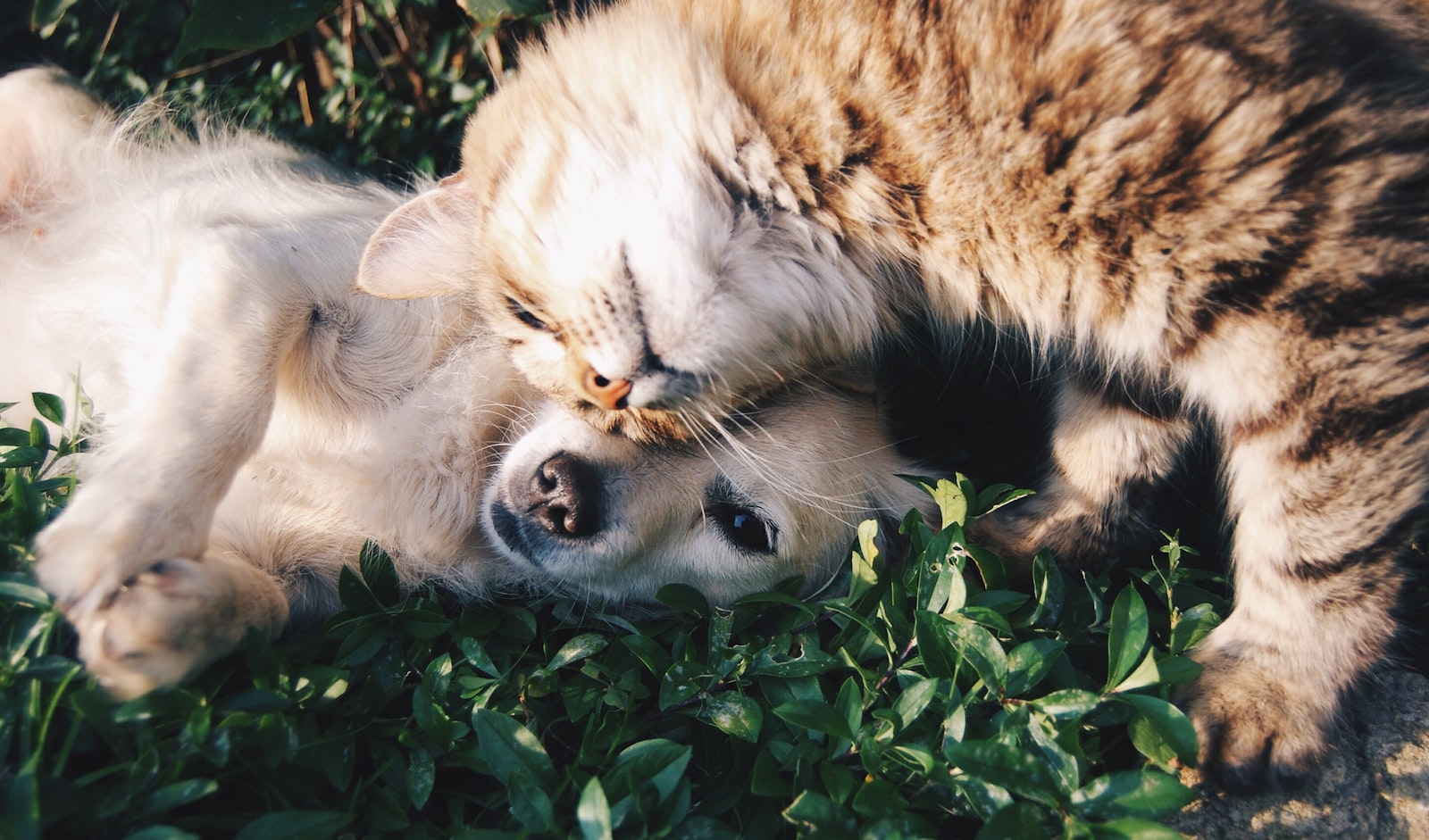
- Animals: friendly, vaccinated adult dogs; cats (if supervised); other species they may encounter
- Surfaces: grass, tile, concrete, gravel, metal grates, wet ground
- Sounds: traffic, rain, thunder recordings, vacuum cleaners, doorbells, children playing
- Handling: ears, paws, mouth, tail; being lifted; being held still (gentle restraint for vet visits)
- Environments: cars, lifts, stairs, pet shops, car parks, outdoor cafes, veterinary waiting rooms

Puppy classes: the best investment you can make
A well-run puppy class (8–16 weeks) is the single most effective intervention for socialisation. Classes let puppies meet other dogs in a managed setting, teach owners to read body language, and start foundational recall and sit training. The AVSAB recommends starting classes as soon as one week after the first vaccine dose, provided attendees are screened.
What happens if the window is missed?
Adult dogs with limited early socialisation can still improve with patient, structured counter-conditioning work — but it is slower and never fully compensates for the critical period. Aggression is among the most common behavioural reasons dogs are relinquished to shelters (Salman et al., J Appl Anim Welf Sci, 2000). A small investment in the first 14 weeks pays enormous dividends.

Signs your puppy is coping well
- Loose, wiggly body; tail at mid-height and wagging
- Approaches novel stimuli with curiosity after a brief pause
- Recovers quickly from a startled reaction (bounces back within seconds)
- Eats treats and plays normally in new environments
Sources & references
- AVSAB — Position statement on puppy socialisation
- AAHA — Canine life stage guidelines 2019
- Merck Veterinary Manual — Normal social behavior and behavioral problems of dogs
- Cornell University College of Veterinary Medicine — Puppy socialisation
OurPetCircle content is researched from the sources above and is queued for veterinary sign-off. It is educational and not a substitute for advice from your own vet.