


Project ADORE: adopting a Singapore Special into an HDB flat
HDB households can legally keep a rescued local mixed-breed dog — no breed restriction, no special permit — under Project ADORE. Here is what the scheme requires and how to make it work.
For most of Singapore's history, living in an HDB flat meant you were restricted to one of roughly 62 approved small dog breeds — all small enough to suit high-density flat living. The Singapore Special, the island's beloved mixed-breed street dog, did not make that list. That changed in 2012, when NParks and HDB jointly launched Project ADORE (ADOption and REhoming of dogs), opening the door for public-flat households to legally adopt a local mixed-breed dog.
The scheme is simple in concept: an owner who commits to microchipping, sterilising, vaccinating, and displaying an ADORE tag can keep a mixed-breed dog — provided the dog does not exceed 55 cm at the shoulder — in any standard HDB flat. Note: the weight limit that previously applied under ADORE was removed in 2022; shoulder height is now the sole size criterion. No breed-specific permit, no additional approval from HDB beyond the standard one-dog rule. Just compliance with the conditions, and a genuine commitment to the animal.
This guide explains the ADORE criteria, how to adopt through a participating welfare group (AWG), the ongoing responsibilities, and practical tips for settling a Singapore Special into flat life.
What is a Singapore Special?
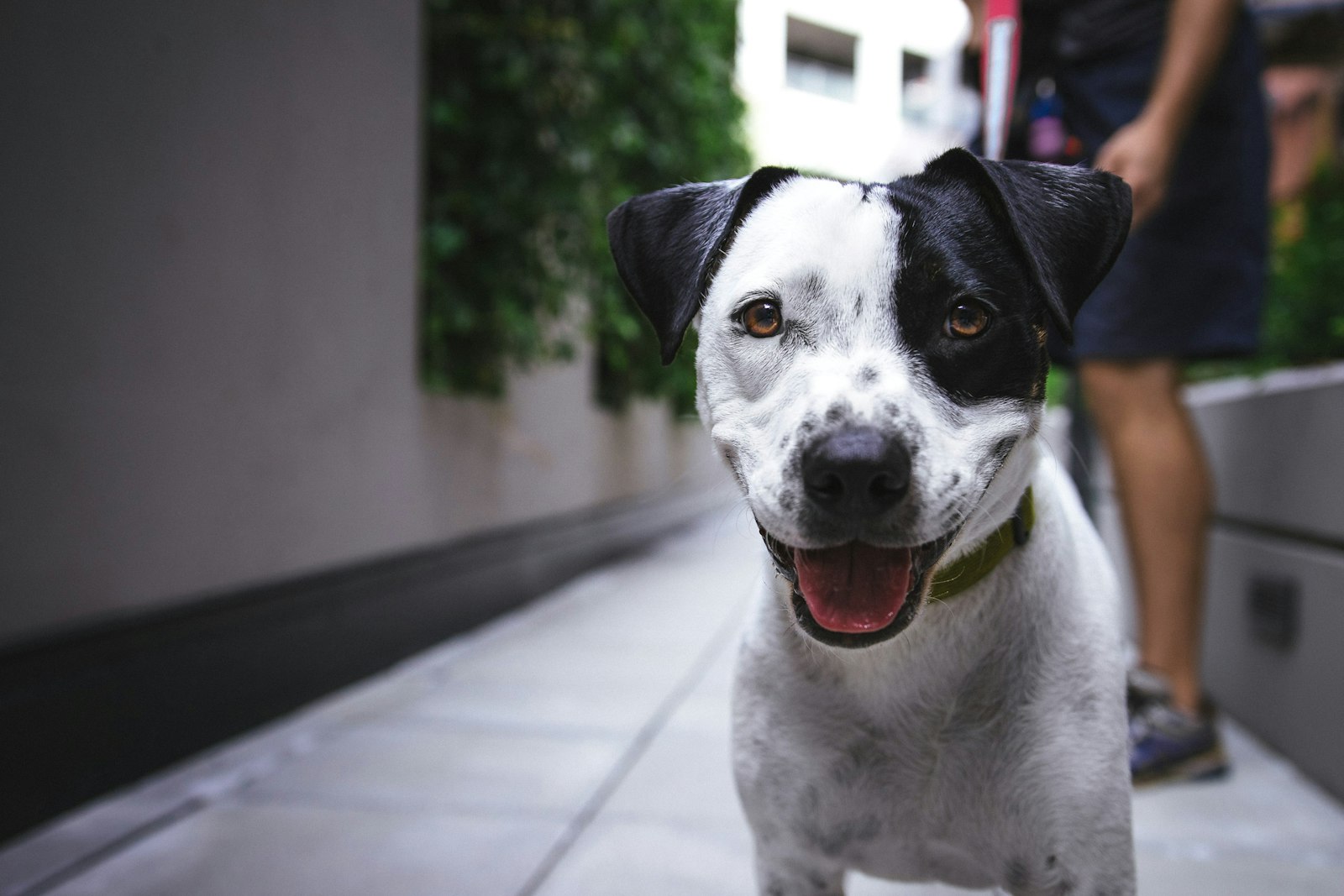
The Singapore Special is not a breed — it is a term of pride for the mixed-breed dogs that have lived alongside Singapore's human population for generations. Descending from free-roaming dogs that developed without deliberate selective breeding, Singapore Specials come in a wide range of coat colours, body sizes and temperaments. Many carry a lean, medium-build phenotype with erect or semi-erect ears and a short to medium coat adapted to the equatorial heat.

The four ADORE conditions
To keep a mixed-breed dog in an HDB flat under ADORE, the dog must meet all four of the following criteria. These are conditions of the scheme — not optional extras.
- Size: the dog must not exceed 55 cm in shoulder height at adulthood. The weight limit that previously applied under ADORE (15 kg) was removed in 2022. Verify the current criteria directly at avs.nparks.gov.sg/community-animals/population-management/project-adore/ before adopting.
- Microchipped: the dog must be microchipped with a standard ISO-compliant chip, registered in the owner's name with NParks.
- Sterilised: the dog must be sterilised (spayed or neutered) before or shortly after adoption. Unsterilised dogs cannot be registered under ADORE.
- ADORE tag: the dog must wear the official ADORE identification tag at all times in public. Tags are issued by participating Animal Welfare Groups (AWGs).
Which Animal Welfare Groups participate?
ADORE adoptions must go through an AWG approved by NParks — you cannot simply take a stray off the street and self-certify. The main participating groups as of 2026 include the SPCA Singapore, Save Our Street Dogs (SOSD), Action for Singapore Dogs (ASD), and several smaller NParks-approved rescues. Each AWG runs its own adoption process, which typically includes a home-visit assessment and a pre-adoption interview.
Before you adopt, let the AWG know you are in an HDB flat. They will assess whether the individual dog you are considering is likely to stay within the ADORE size limits — most experienced welfare workers can assess this reliably from the dog's current size, paw size, and parentage history.

The adoption process, step by step
- Step 1 — Browse listings: check SOSD, ASD, SPCA, and Adopt A Pet Singapore for dogs flagged as ADORE-eligible.
- Step 2 — Submit an enquiry and adoption application with the relevant AWG.
- Step 3 — Home visit and interview: the AWG assesses your living space, lifestyle and capacity to care for a dog. Be honest about your working hours, family composition and exercise routine.
- Step 4 — Meet the dog: spend time with the specific dog before committing. Some groups run fostering as a step before formal adoption.
- Step 5 — Sterilisation (if not yet done): the AWG typically arranges sterilisation with a partner vet before the handover date. You may contribute to the cost.
- Step 6 — Microchip registration: the AWG transfers the microchip registration to your name in the NParks system (PALS — Pet Animal Licensing System).
- Step 7 — Dog licence application: apply for the NParks dog licence through PALS as soon as the dog reaches 3 months of age (the licensing trigger is age, not time since adoption). Do not delay — an unlicensed dog is a fineable offence.
- Step 8 — ADORE tag: the AWG issues the ADORE tag. Attach it to your dog's collar and keep it there.
Living with a Singapore Special in an HDB flat
Singapore Specials make excellent flat dogs when their needs are met. They are typically hardy, adaptable, and socially oriented — a product of generations of living alongside humans. Most are medium-energy dogs who are happy with two solid walks a day and enrichment at home. The bigger challenge is often the transition from kennel or foster life into a flat: some dogs take weeks or months to decompress and show their true personality.
“The dog you get on day one is not the dog you will have at week eight.”
Your ongoing responsibilities under ADORE
- Keep your NParks dog licence current (renew annually or every 3 years for sterilised dogs).
- Maintain the ADORE tag on your dog's collar at all times in public — you may be asked to show it by an enforcement officer or an AVS inspector.
- Report any change of address to NParks via PALS within 30 days.
- Keep your dog on a leash in all public areas — leash laws apply regardless of the dog's temperament.
- Clean up after your dog in all public spaces; failing to do so is a fineable offence under the Environmental Public Health Act.
- If you can no longer keep the dog, return them to the original AWG — do not re-home through informal channels.

Sources & references
- NParks AVS — Project ADORE (Adoption and Rehoming of Dogs)
- Oskarsson et al. "Mitochondrial DNA data indicate an introduction through Mainland Southeast Asia for Australian dingoes and Polynesian domestic dogs." Proc. Royal Soc. B, 2012
- HDB — Keeping pets in an HDB flat
- SOSD Singapore — Adopt a dog
- Action for Singapore Dogs (ASD) — Adoption
- SPCA Singapore — Adopt a pet
OurPetCircle content is researched from the sources above and is queued for expert sign-off. It is general guidance and not a substitute for advice from your own vet, a qualified trainer or relevant official authorities.