


How to choose the right dog: breed and lifestyle fit (+ tropical-climate notes)
Breed matters far more than appearance. A dog whose exercise needs, coat type, and temperament don't match your lifestyle will be miserable — and so will you. Here's how to narrow down honestly.
Choosing a dog breed based on how it looks in photographs is one of the most reliable paths to a difficult ownership experience. The Siberian Husky is beautiful. It was bred to run 60–100 miles per day in Arctic conditions. The Border Collie is intelligent and photogenic — it was bred to herd sheep all day using sustained, intense focus that, redirected to a bored apartment life, manifests as obsessive behaviour, anxiety, and destruction. The mismatch between expected and actual dog is the most common reason for relinquishment.
This guide walks through the key dimensions of breed selection honestly — energy, size, grooming demand, trainability, social needs, health considerations, and Singapore-specific housing and climate factors.
“Breed differences in behaviour are real, substantial, and rooted in the selection pressures of hundreds of years of working function.”
Start here: the four honest questions
- How much exercise can you realistically provide every single day — not on your best day, but on your average Tuesday? Some breeds need 30 minutes of low-intensity walking; others need 90+ minutes of vigorous activity.
- What is your living situation? An HDB flat in Singapore limits you to NParks AVS-approved breeds (all under approximately 15 kg at maturity). A landed property or apartment with outdoor access opens more options.
- How much time and money can you put into grooming? Double-coated breeds in the tropics require significant coat maintenance; drop-coated and curly breeds need professional grooming every 4–6 weeks.
- What is your tolerance for independence vs trainability? Some breeds (sighthounds, scent hounds, many terriers) are bred for autonomous decision-making and are less motivated by human approval than retrievers or working dogs.
Exercise needs: the single most important match
The American Kennel Club and the British Kennel Club both classify breeds by exercise requirements. The ranges below are generalised guidelines — individual variation within breeds is real, and a dog's upbringing and health affect energy level too. But the working group norms are a reliable starting point.
Herding and working breeds placed in low-exercise households are consistently overrepresented in behaviour-problem referrals. Toy breeds can thrive in HDB flats and suit owners with limited mobility or busy schedules — provided their social and mental needs are met.

Singapore-specific: the climate and housing reality
Singapore's year-round heat (28–34°C, humidity 70–90%) and predominantly apartment living create genuine welfare constraints that affect breed choice. Two categories demand particular scrutiny.
Brachycephalic breeds in the tropics
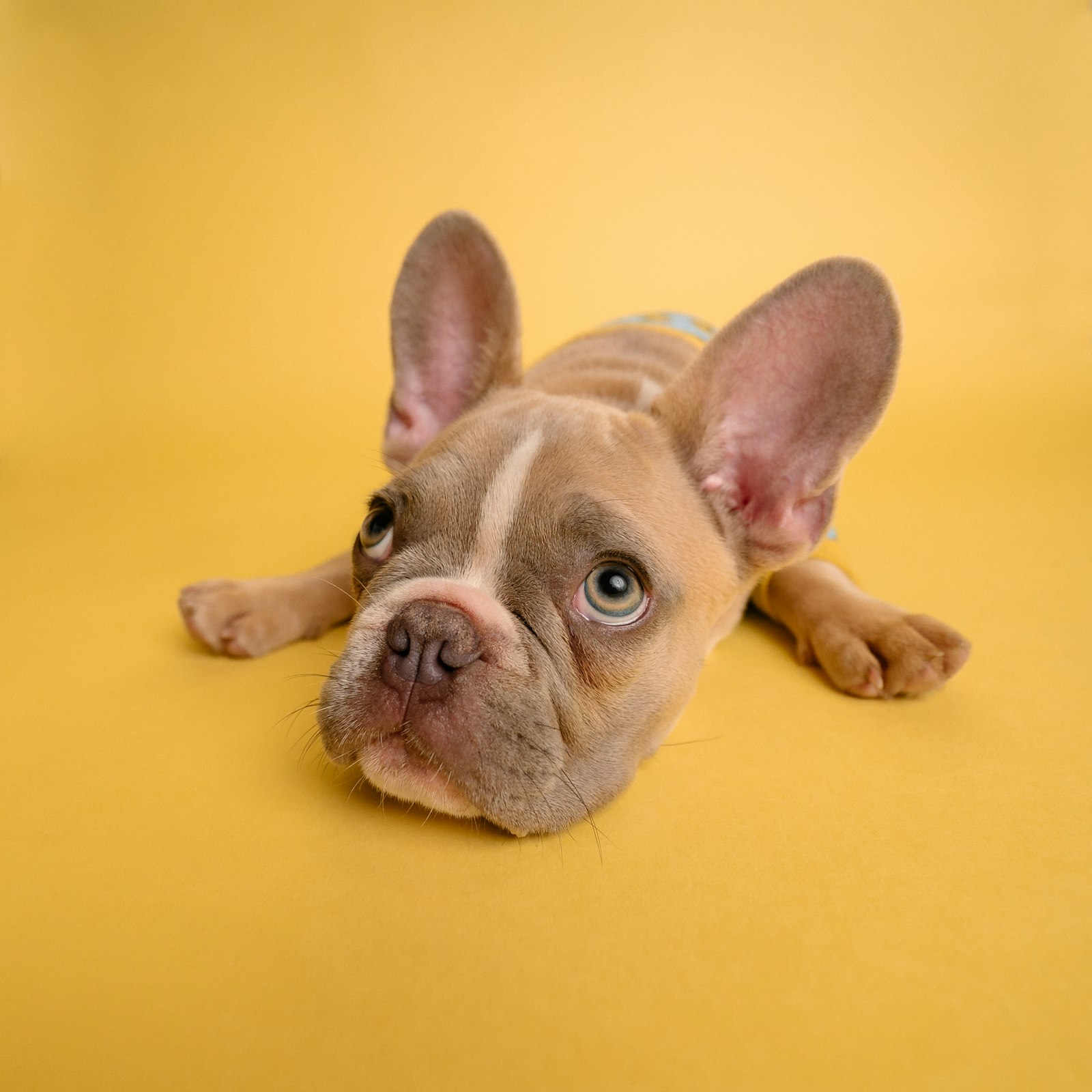
Brachycephalic (flat-faced) breeds — French Bulldogs, English Bulldogs, Pugs, Shih Tzus, Pekingese, Boston Terriers — are anatomically compromised in their ability to breathe and regulate body temperature. Their shortened airways mean they cannot pant effectively, which is the dog's primary cooling mechanism. In Singapore's heat, they are at significantly elevated risk of heatstroke, require air conditioning at all times, cannot exercise safely outdoors during daylight hours, and often require corrective surgery (BOAS — brachycephalic obstructive airway syndrome) to breathe comfortably.
Heavy double coats in the tropics
Double-coated breeds built for cold climates — Huskies, Chow Chows, Samoyeds, Malamutes, some Pomeranians — require careful heat management in Singapore's climate. They shed continuously in tropical heat and are susceptible to hot spots, overheating, and skin issues in humid conditions without adequate climate control. They require frequent grooming to manage the undercoat. With committed management (year-round air conditioning, restricted outdoor exercise to cooler hours, regular professional grooming) some owners do keep these breeds successfully in Singapore — but the welfare responsibility is significantly higher than for breeds adapted to tropical conditions.

Breed vs individual: the genomics note
A landmark 2022 study published in Science (Morrill et al.) analysed the genomes and owner-reported behaviour of over 18,000 dogs and found that while breed does influence certain behavioural tendencies, it accounts for only 9% of the variation in behaviour between individual dogs. "Much of what we attribute to breed," the authors note, "is actually individual variation." This finding has two practical implications: do not assume a typically calm breed will be calm (meet the individual), and do not dismiss a dog of an "energetic" breed without meeting it.
Health considerations by breed type
Purebred dogs from poorly screened lines carry elevated risks of hereditary conditions. Responsible breed selection involves researching the health conditions common to the breed and confirming that the breeder health-tests for them. Key conditions by category:
- Hip and elbow dysplasia: large and giant breeds (Labradors, German Shepherds, Golden Retrievers, Rottweilers) — breeder should provide OFA or BVA/KC hip scores
- BOAS: all brachycephalic breeds — grade before breeding
- Progressive retinal atrophy (PRA): many breeds; DNA testing available
- Dilated cardiomyopathy (DCM): Dobermanns, Great Danes, Boxers — cardiac screening required
- Degenerative myelopathy: German Shepherds, Pembroke Welsh Corgis — DNA test available
- Chondrodystrophy/IVDD: Dachshunds, Corgis, Basset Hounds, French Bulldogs — spinal disc disease risk
- Von Willebrand disease: Dobermanns, German Shepherds — blood clotting disorder; DNA testable

The case for the Singapore Special
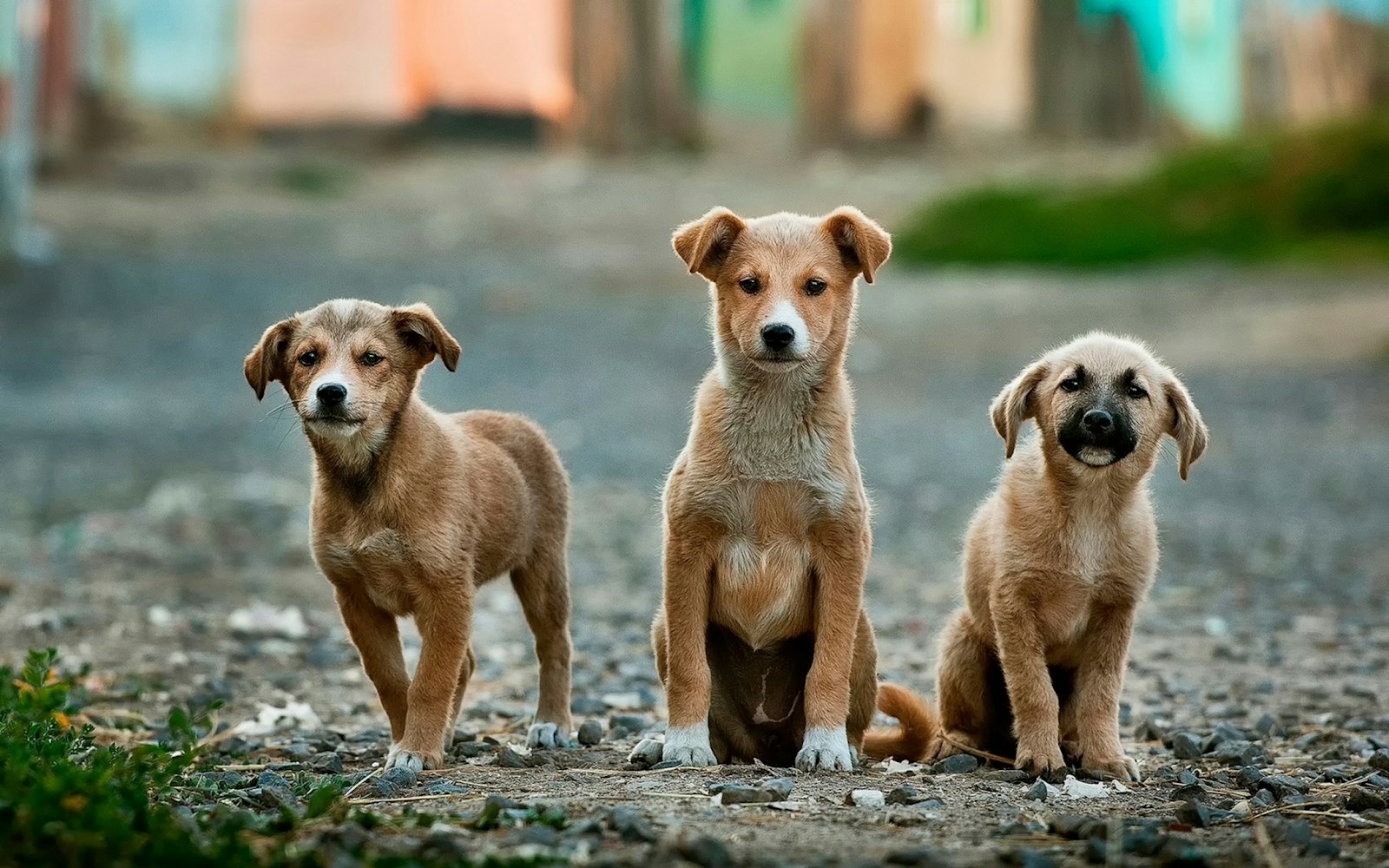
Singapore's local mixed-breed dogs — affectionately known as Singapore Specials — are a naturally selected population of medium-small dogs (8–15 kg typically) shaped by decades of semi-feral life in Singapore's climate. They are generally robust, heat-adapted, and in the experience of many owners and shelters, highly trainable and socially intelligent. They are almost never HDB-prohibited. They are the most adoptable dogs in Singapore's shelters, and the most underseen.
Sources & references
- Morrill K et al. — Ancestry-inclusive dog genomics challenges popular breed stereotypes, Science 2022
- NParks AVS — HDB-approved dog breeds
- RSPCA — Brachycephalic dogs and welfare concerns
- WSAVA — Brachycephalic obstructive airway syndrome (BOAS) position statement
- American Kennel Club — Breed energy levels
- VCA Animal Hospitals — Selecting the right dog breed
OurPetCircle content is researched from the sources above and is queued for expert sign-off. It is general guidance and not a substitute for advice from your own vet, a qualified trainer or relevant official authorities.