




Why the relationship between people and dogs runs so deep — its psychology and history, the grief when it ends, and how a changing world keeps reshaping it.
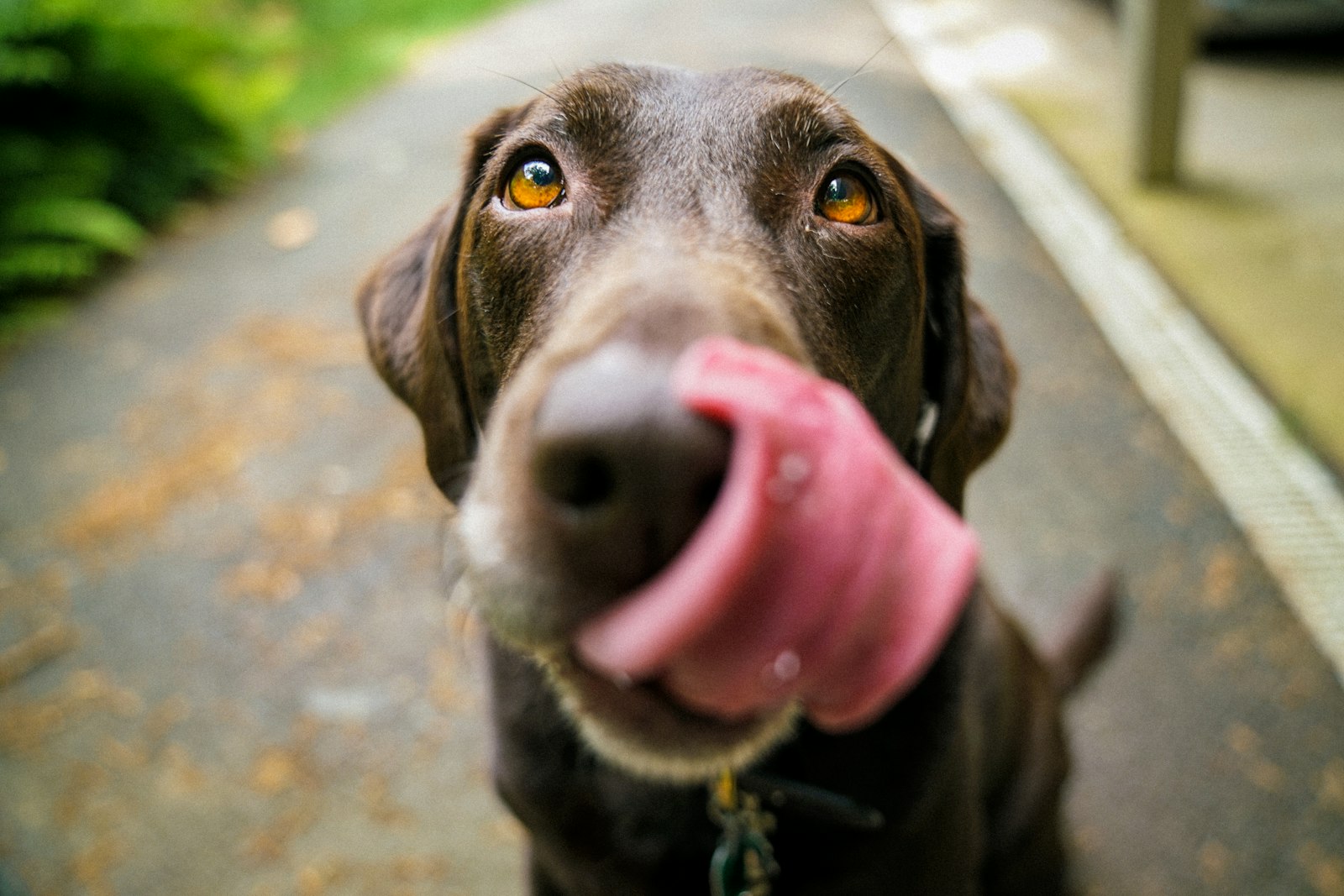
The Grief That Has No Name
Losing a dog can hurt as much as losing a person — sometimes more. And yet society offers almost no permission to grieve. Here is the science that explains why, and the case for taking pet loss seriously.
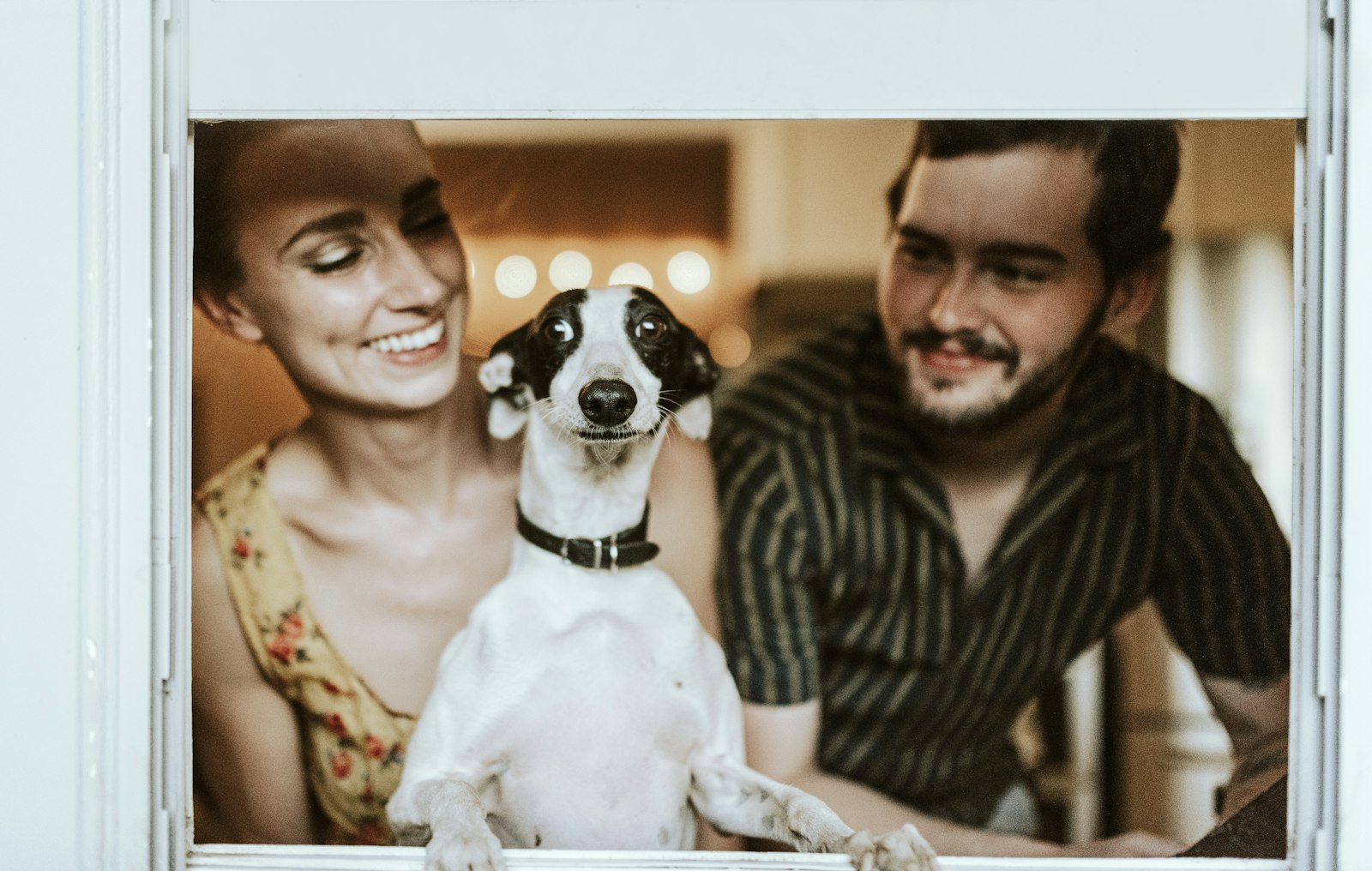
How the Dog Got Into the Bed
A century ago the family dog slept in the yard. Today it sleeps on the duvet. The story of how that happened is a story about what we decided we needed from animals — and from each other.
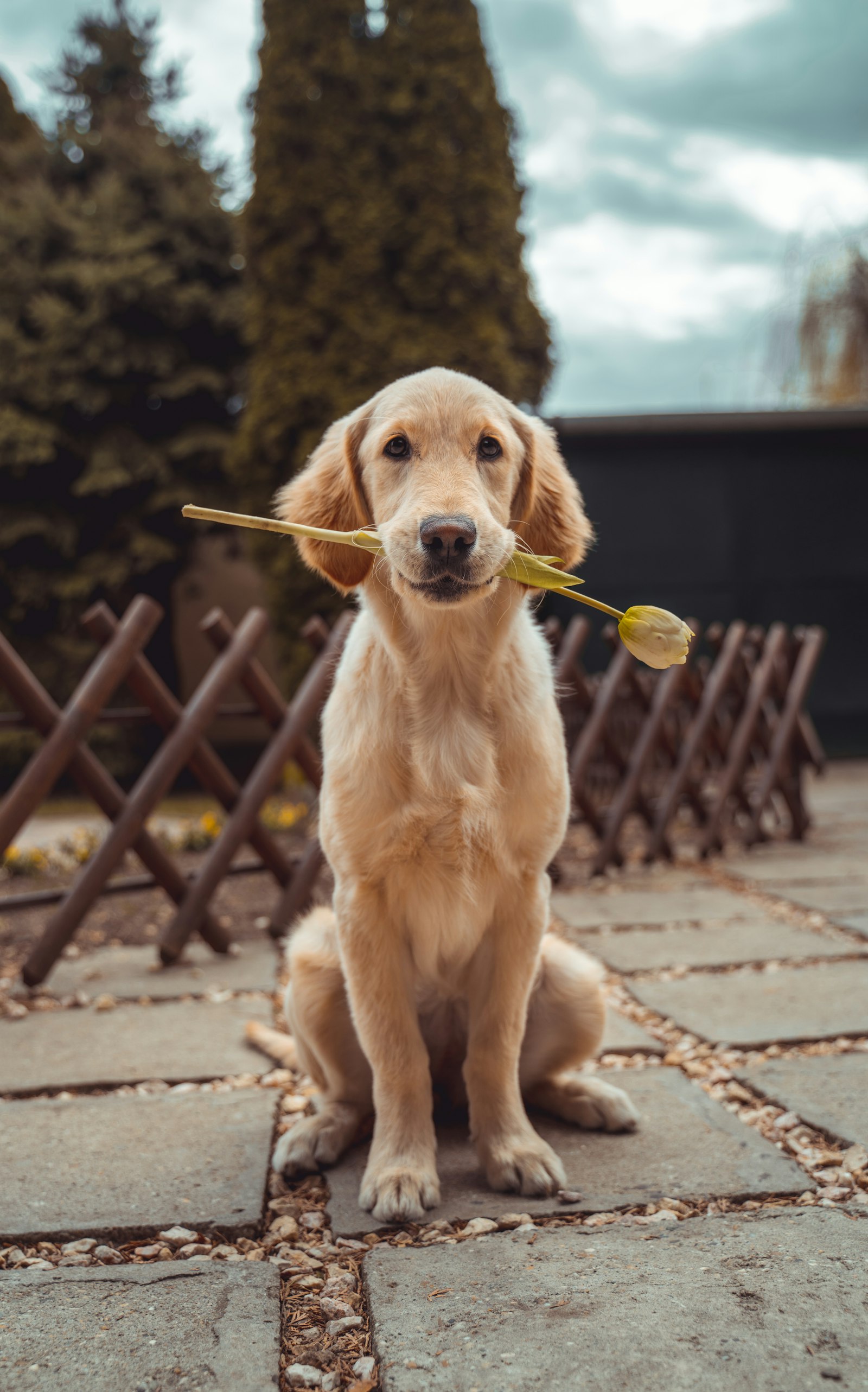
The Friendliest Gene
Dogs may carry a genetic signature of extreme sociability — a canine echo of a rare human condition in which strangers feel, immediately and overwhelmingly, like friends. New genomic research suggests the bond between dogs and humans is written into the genome itself.
 Auckland
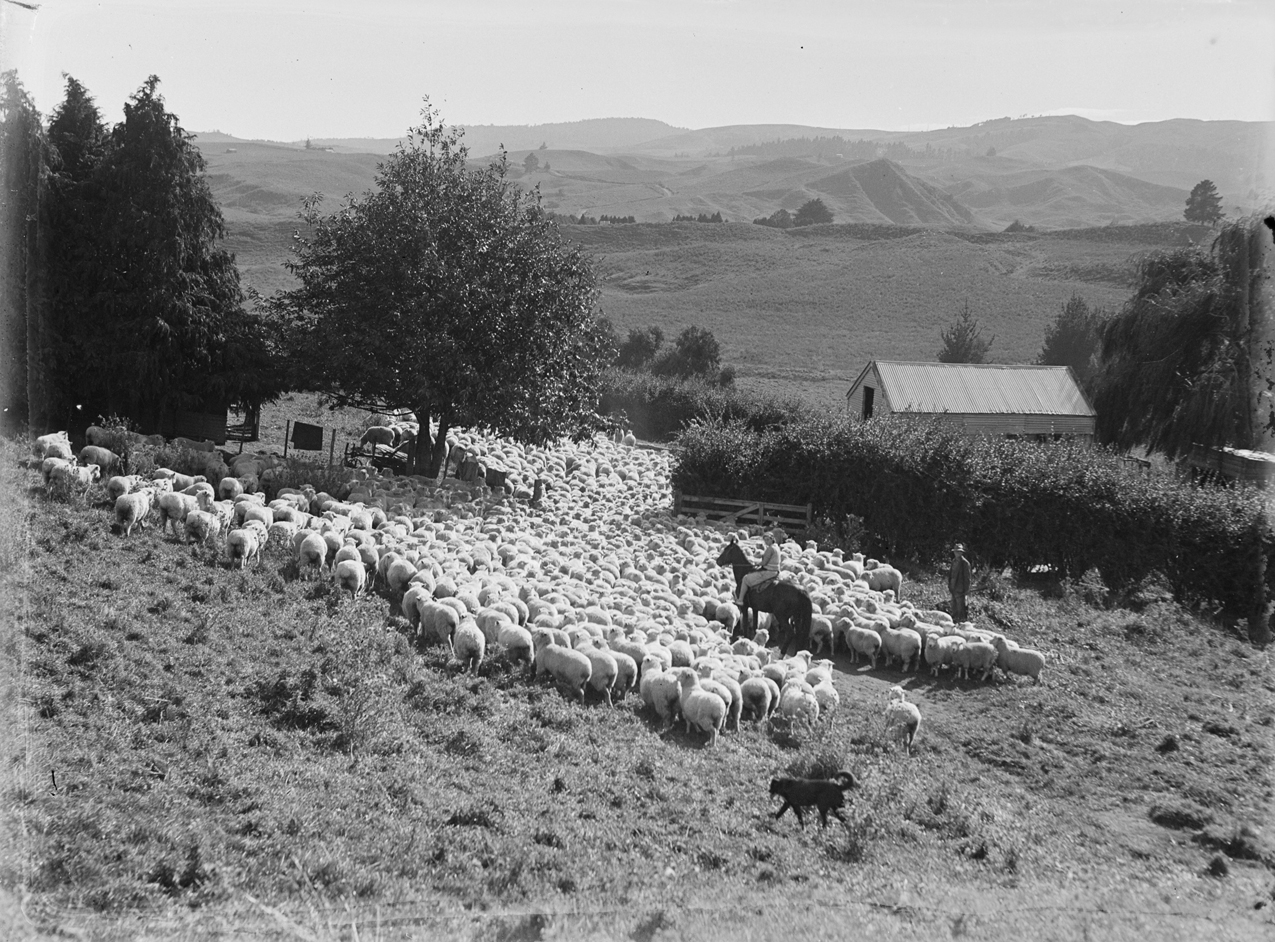
The Dogs That Built New Zealand
Without the working dog, the pastoral economy that made New Zealand prosperous would not exist. Two hundred thousand of them still work the hills today. For the first time, scientists have gone out to the farms to ask: how are they actually doing?
 Auckland
How Christchurch Made Room for Dogs
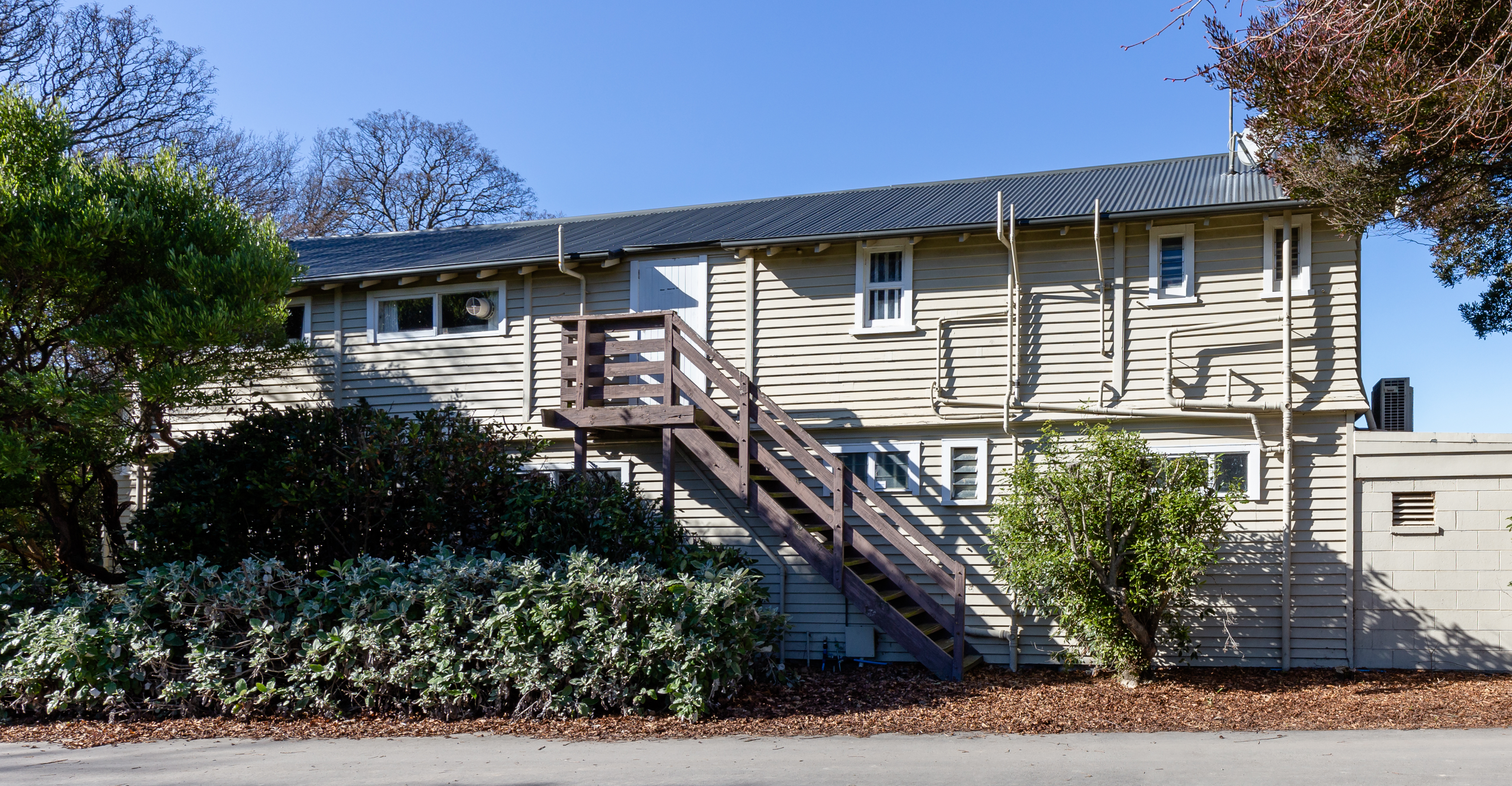
The 2010–11 Canterbury earthquakes destroyed 10,000 homes and displaced 50,000 people. They also, accidentally, created 602 hectares of new open space in the heart of New Zealand's second-largest city — nearly twice the size of Central Park. It is now some of the most walkable land in the country.
 Auckland
Dog Agility in New Zealand: The Beginner's Guide to Clubs, Costs, Competition and Getting Started
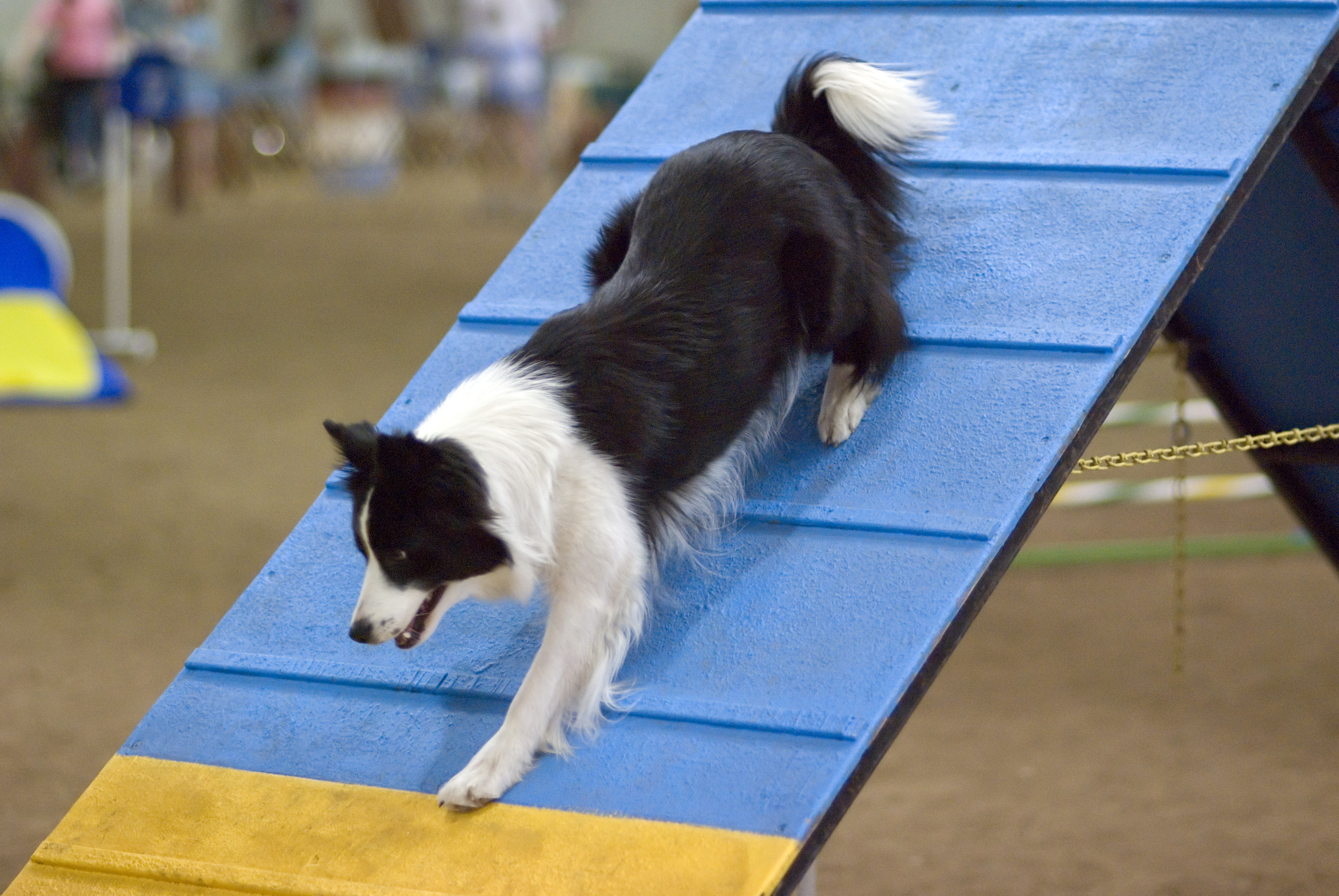
You don't need a Border Collie. You don't need to compete. You don't even need a well-trained dog to start. Dog agility in New Zealand has more than 40 clubs, events every weekend of the year, and a proven record for fixing the exact problem the lockdown puppy generation created: a dog with too much brain and nowhere to put it.