

How to choose the right dog breed for your New Zealand lifestyle
New Zealand's housing mix, outdoor culture, and urban-rural divide make breed fit a genuinely NZ-specific question. A practical guide to matching a dog to your actual life — not the life you plan to have.
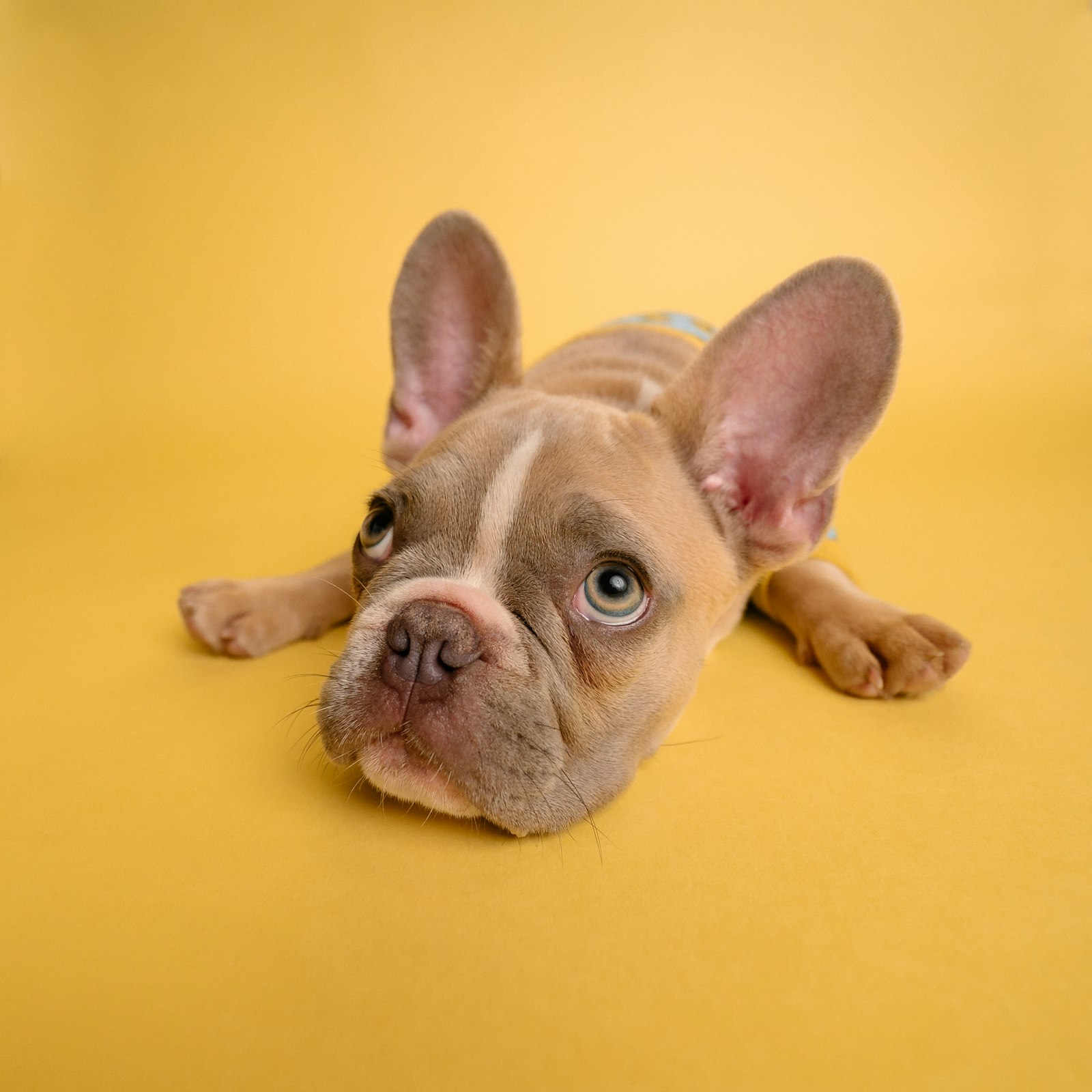
New Zealand is simultaneously a country where a working dog herds 2,000 sheep on a South Island high-country run and a country where a French Bulldog takes the lift in a central Auckland apartment tower. The same geographic and cultural reality that makes New Zealand one of the highest dog-owning nations per capita — roughly one in three households, according to Companion Animals NZ — also makes breed selection a genuinely complex decision. The right breed for a Wellington inner-suburb house with a small garden and a first-time owner is not the same breed that suits a semi-rural lifestyle in Northland or Waikato. This guide helps you match your actual life — housing, schedule, activity level, experience — to the right kind of dog.
Step 1: Assess your housing honestly
New Zealand's housing landscape has changed significantly. Auckland in particular has shifted rapidly toward medium-density living — apartments, townhouses, terrace houses — as the NPS-UD 2020 intensification policy takes effect. This matters enormously for breed selection. A Border Collie needs space and sustained physical engagement. A Miniature Schnauzer or a Whippet can be genuinely content in a well-managed apartment provided daily exercise is consistent. The dog does not know or care what postcode it lives in. It knows whether its physical and mental needs are being met.
- House with large fenced section (800m² or more): suitable for most breeds, including working dog crosses and large active breeds
- House with small-to-medium fenced section (300–800m²): suitable for medium-energy breeds; high-drive working breeds need supplemental daily off-leash exercise
- Townhouse, terrace or unit with courtyard or small garden: suitable for low-to-medium-energy breeds; supplement with daily structured exercise
- Apartment (no private outdoor space): suitable for small-to-medium low-energy breeds and several surprising choices (Greyhound, Whippet, Cavalier); unsuitable for working breeds, high-drive terriers, and most herding breeds without exceptional exercise commitment
- Rental (with landlord approval): check body corporate rules before acquiring — most Auckland apartments have body corporate pet policies, and some prohibit dogs entirely
Step 2: Assess your schedule honestly
Dogs are social animals. No dog should spend more than four to five hours alone without company or exercise on a routine basis. In practice, most working owners in New Zealand leave dogs alone for six to eight hours on a five-day working week. This is survivable for dogs bred for lower arousal and independence — Basset Hounds, Shih Tzus, Cavalier King Charles Spaniels. For a Vizsla, a Malinois, a Siberian Husky, or a Border Collie, eight hours of daily solitary confinement without physical output is a welfare event and a behavioural disaster. Be honest about how many hours per day your dog will be alone, and choose accordingly.
- Regular 8+ hour work days away from home: choose a lower-arousal breed; budget for professional dog walking at least three times per week; consider adult rescue over puppy
- Flexible or part-time schedule with home time: wider range viable; high-drive breeds manageable with commitment to exercise
- Full-time home presence or remote work: widest range viable; be aware that breeds prone to separation anxiety can develop issues if they are never taught to be alone
- Children at home after school: many breeds are excellent with children; Staffordshire Bull Terriers, Golden Retrievers, and Cavaliers consistently score well; always supervise regardless of breed
Step 3: Be honest about your experience level
Certain breeds are forgiving of first-time owners. Others will exploit gaps in handling and training skills in ways that make the whole experience miserable for both parties. This is not a moral judgement about the dog — it is a statement about the match between a dog's cognitive complexity and drive, and the skill of the person managing it.
- First-time owner: Labrador Retriever, Golden Retriever, Cavalier King Charles Spaniel, Shih Tzu, Poodle (standard or miniature), Bichon Frise, Whippet. These breeds are generally forgiving of handling inconsistencies and have lower-stakes failure modes.
- Some experience, basic training skills: Staffordshire Bull Terrier, Border Terrier, Miniature Schnauzer, Corgi, Springer Spaniel, Vizsla (with exceptional exercise). These breeds are trainable and rewarding but have specific needs that require competent handling.
- Experienced owner, confident with working dogs: Border Collie, German Shepherd, Malinois, Siberian Husky, Dobermann, Rottweiler. These breeds are excellent in the right hands and genuinely difficult to live with in the wrong ones.
- Any experience level — avoid: high-drive working breeds without a genuine working outlet; breeds on the NZ Dog Control Act prohibited list (American Pit Bull Terrier, Dogo Argentino, Japanese Tosa, Perro de Presa Canario, Brazilian Fila); poorly bred dogs from unregistered breeders who cannot provide health-tested parentage certificates.
NZ-specific context: popular breeds in New Zealand
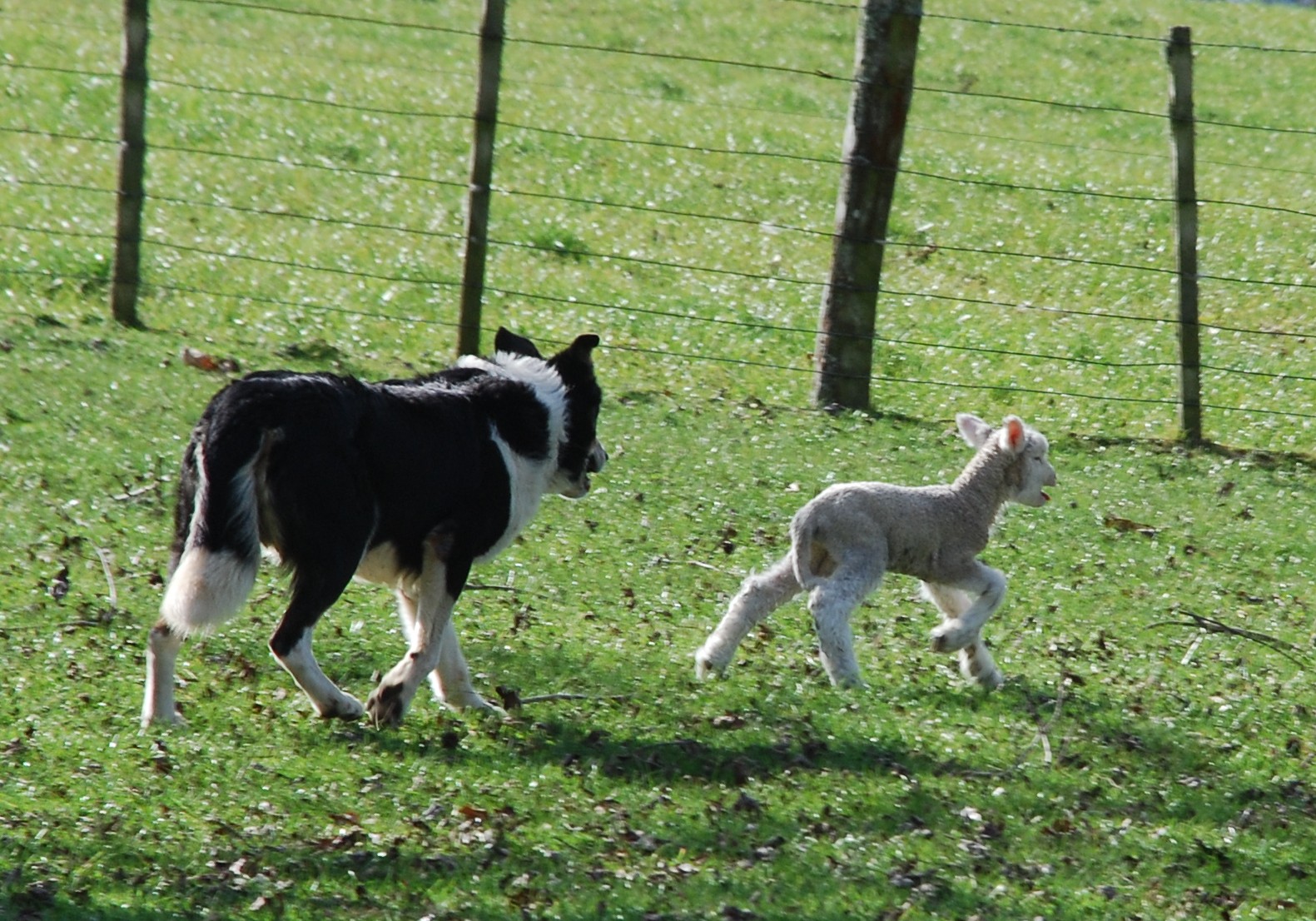
New Zealand's most popular registered dog breeds, according to NZKC (New Zealand Kennel Club) registration data, broadly track global trends with some local variation. Labrador Retrievers and Border Collies remain in the top five by registration. French Bulldogs, Cavoodles (Cavalier × Miniature Poodle), and Miniature Schnauzers have grown rapidly. The heading-dog cross — a Huntaway or Border Collie type of working farm background — is one of the most commonly surrendered types in NZ rescue, reflecting the mismatch between rural working-dog genetics and urban suburban environments.
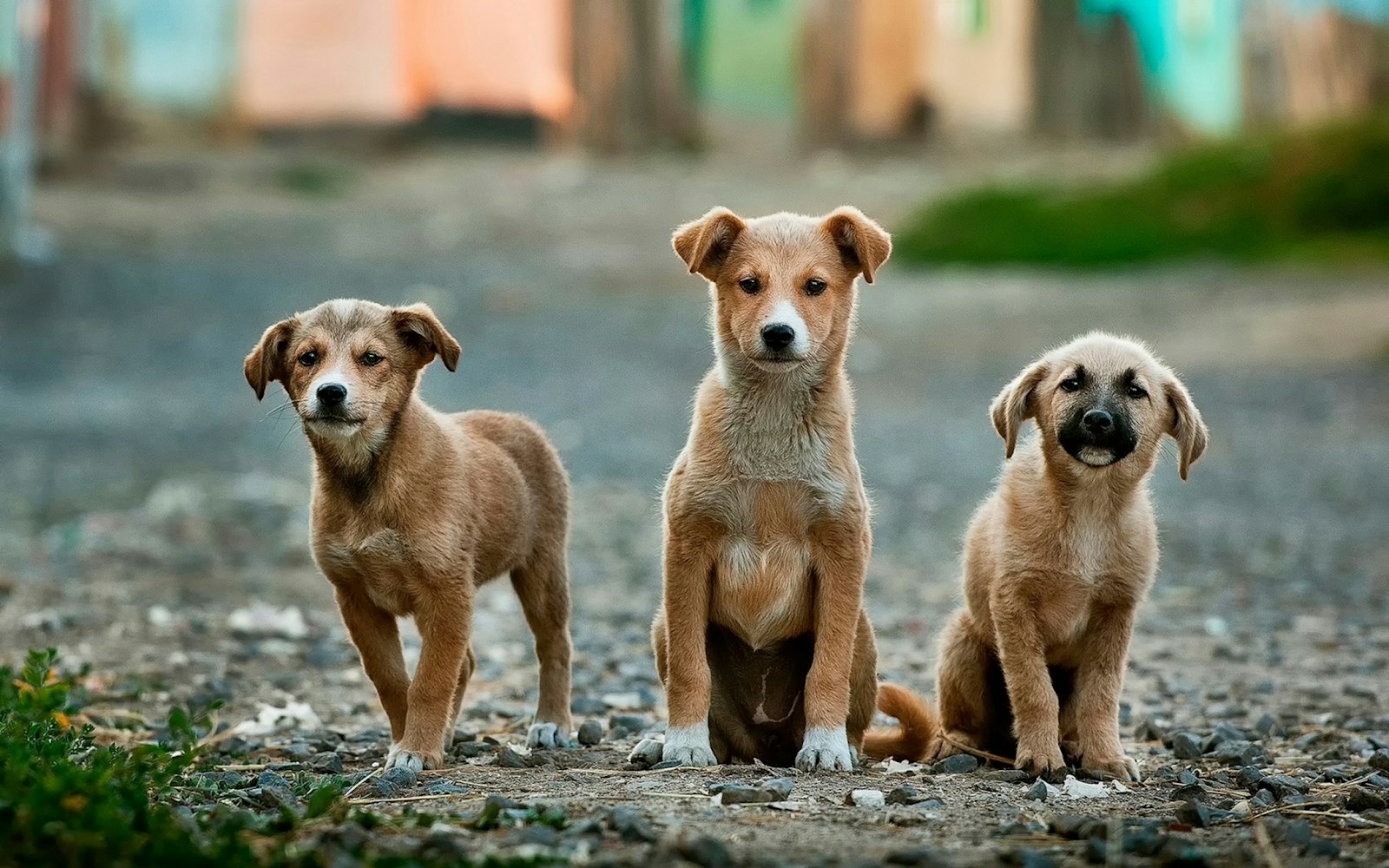
New Zealand also has a significant rescue and pound sector. The most common types in NZ rescue organisations are heading-dog crosses, Staffordshire Bull Terrier crosses, and mixed-breed "bitzers" — dogs of indeterminate ancestry that often make excellent pets for the right owner but take longer to place because they lack the instant breed recognition that drives adoption website clicks. For an experienced owner with time and patience, a rescue heading-dog cross or Staffie cross can be an outstanding dog. For a first-time owner in an apartment, it is probably the wrong match.
The gap between the top two Labrador Retriever scores illustrates the housing effect that applies across all active breeds. No breed is universally suitable — context determines fit.
Where to get your dog: rescue, registered breeder, or neither
New Zealand has two legitimate acquisition routes for dogs: rescue/adoption (SPCA NZ, HUHA, Dogwatch, Auckland Dog Rescue, council pounds), and registered breeders (NZKC-registered breeder, with a current breeder registration number). A third "route" — backyard breeders, Trade Me listings without NZKC registration, Facebook Marketplace puppies, and pet shops sourcing from farms — is not a legitimate route. It is a route that produces dogs without health testing, without genetic screening, without socialisation, and without the support structure that responsible breeding provides. New Zealand's rescue sector is at capacity partly because of the downstream consequences of unregulated breeding.
- SPCA NZ (spca.nz/adopt): 27 centres nationally; adult dogs and puppies; all desexed, microchipped, vaccinated and registered before adoption; NZ$149–399 adoption fee
- HUHA (huha.org.nz): Wellington-based foster-network rescue; broad breed range; behavioural assessments available
- Dogwatch Sanctuary Trust (dogwatch.co.nz): Auckland; heading-dog crosses and hard-to-place rescue dogs; experienced with working-breed types
- NZKC (nzkc.org.nz): find NZKC-registered breeders by breed; always ask for current registration number and health test results for the specific breed's known conditions
- Trade Me (with NZKC registration): only engage with sellers who can provide a current NZKC breeder registration number; never buy a puppy you cannot visit in its home environment with its mother
The prohibited breed list: what you cannot own in New Zealand
The Dog Control Act 1996 prohibits the importation of five specific breeds: the American Pit Bull Terrier, Dogo Argentino, Japanese Tosa, Perro de Presa Canario, and Brazilian Fila. Dogs that are "wholly or predominantly" of these types are also covered by the prohibition on import. Note that the prohibition applies to import — dogs of these types that were already in New Zealand before the ban are not illegal to own, though they are subject to mandatory desexing and other requirements under the Act. In practice, you are extremely unlikely to encounter these breeds through legitimate rescue or breeder channels in New Zealand today.
Sources & references
- Companion Animals New Zealand — 2024 NZ Pet Data Report
- New Zealand Kennel Club (NZKC) — Find a registered breeder
- Dog Control Act 1996 — NZ Legislation (prohibited breeds)
- SPCA NZ — Adopt a pet
- HUHA — Animal adoptions New Zealand
- Dogwatch Sanctuary Trust
- Auckland Council — Dog registration fee schedule
OurPetCircle content is researched from the sources above and is queued for expert sign-off. It is general guidance and not a substitute for advice from your own vet, a qualified trainer or relevant official authorities.