


Rat lungworm in Sydney dogs: what owners need to know about neuroangiostrongyliasis
Cases of neuroangiostrongyliasis — brain and spinal cord disease caused by the rat lungworm Angiostrongylus cantonensis — are rising among young Sydney dogs. A dog that picks up a slug or snail can develop severe neurological signs within days. Here is what the disease is, how it presents, and what to do.
Sydney vets have been watching a troubling trend for more than a decade. A parasite called Angiostrongylus cantonensis — the rat lungworm — is causing an increasing number of severe neurological cases in dogs across the city. In a peer-reviewed study published in the journal Parasitology in 2020, Lee R et al. documented 92 cases of canine neuroangiostrongyliasis in eastern Australia between 2010 and 2020, with the city of Sydney emerging as the dominant location, recording 21 cases in 2019 alone. The authors described the disease as "an emerging infectious disease of dogs in Sydney, Australia."
Unlike the paralysis tick, which most eastern Australian dog owners have at least heard of, rat lungworm disease is not yet part of the standard conversation between vets and Sydney pet owners. That gap is narrowing as cases rise — but for now, many owners do not know the risk exists, let alone what signs to watch for.
What is Angiostrongylus cantonensis?
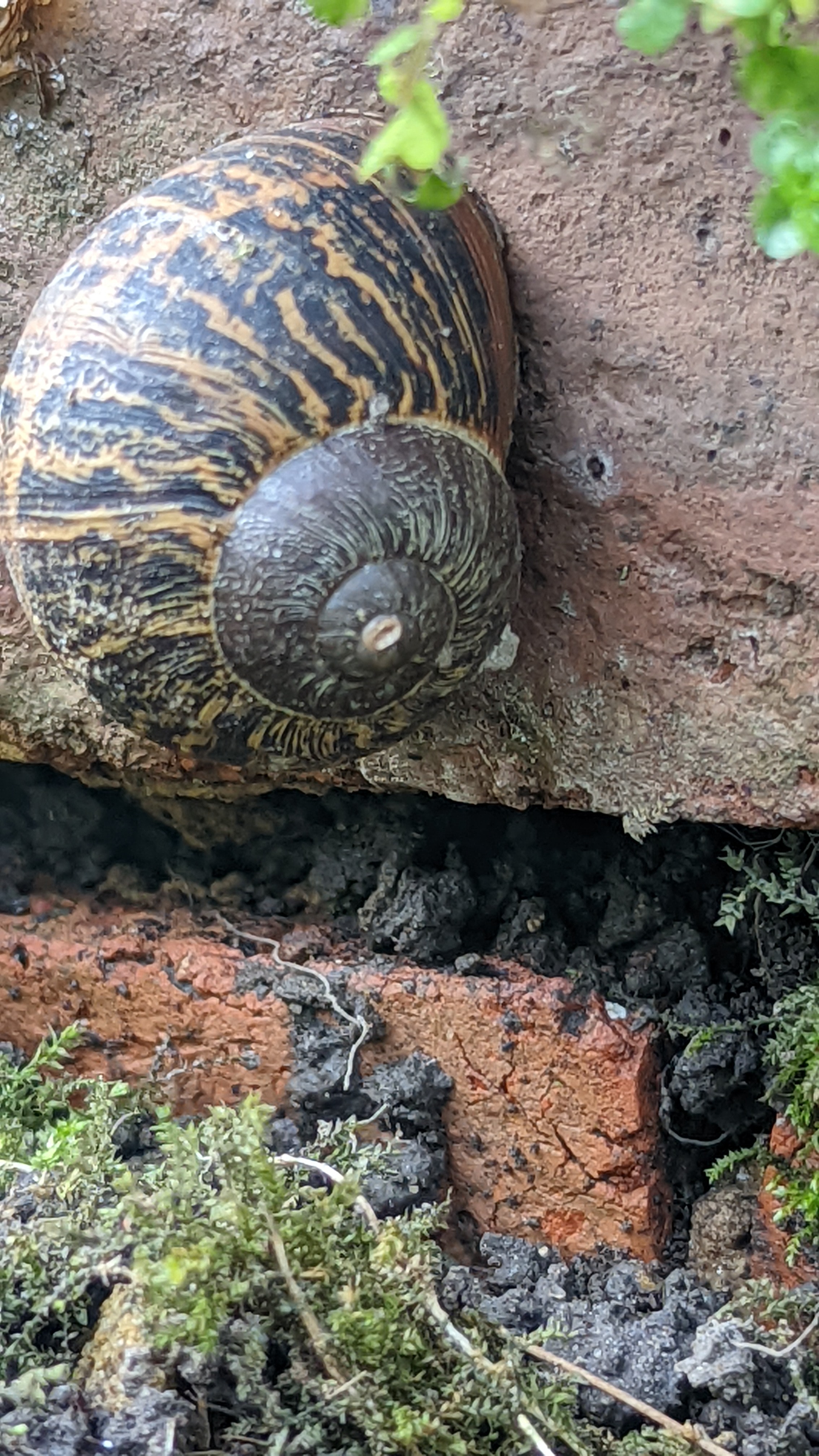
Angiostrongylus cantonensis is a parasitic nematode (roundworm) whose primary definitive host is the rat — particularly the brown rat (Rattus norvegicus) and the black rat (Rattus rattus), both of which are abundant in Sydney. In rats, adult worms live and reproduce in the pulmonary arteries. Larvae hatch, pass through the lung tissue, are swallowed and excreted in the faeces. Those larvae are then ingested by the intermediate hosts: slugs and snails.
Inside a slug or snail, the larvae develop to their infective third stage (L3). A dog becomes accidentally infected by ingesting an infected slug or snail — either deliberately while foraging, or by accidentally eating a slug or snail that has attached itself to grass, a toy, a water bowl, or fresh produce left outside. In some cases, infective larvae may also be present in the slime trails of infected molluscs, though direct ingestion of the intermediate host is the primary documented route.
In rats, the larvae follow a specific migration route that takes them to the pulmonary arteries where they mature into adults — and the lifecycle completes. In dogs (and people), A. cantonensis is an accidental host and things go wrong. The larvae migrate to the central nervous system — the brain and spinal cord — where they cannot complete their development and instead cause inflammation and mechanical damage to neural tissue. This is neuroangiostrongyliasis: disease caused by nematode larvae in the nervous system.
Who is most at risk in Sydney?
The 2020 Parasitology study (Lee R et al.) found that 81 per cent of affected dogs were under six months of age, with a median age of five months. Young puppies investigating their environment with their mouths are the highest-risk group. Male dogs were overrepresented at 1.7 times the rate of females, which may reflect behavioural differences in exploratory behaviour. Seasonally, 86 per cent of cases occurred between March and July — the autumn and winter months when wet conditions support slug and snail activity in Sydney gardens.
Geographically, the cases in the study cluster around Sydney and the NSW coastal belt, extending from Jervis Bay in the south to Townsville in the north. Sydney has become, by case numbers, the epicentre of this disease in Australia. A wetter-than-average year — more rainfall driving more slug and snail activity — appears to correlate with higher case numbers. This is consistent with a 2025 analysis in the Journal of Infectious Diseases, which modelled neural angiostrongyliasis across eastern Australia from 2020 to 2024 and found that rainfall patterns were a key driver of case occurrence.
Signs of neuroangiostrongyliasis
The hallmark clinical signs of rat lungworm disease in dogs reflect the neurological location of the larval damage — the brain and spinal cord. The pattern reported in the Australian veterinary literature includes:
- Paraparesis and hindlimb ataxia: weakness and incoordination of the back legs. Often the earliest noticeable sign in affected dogs.
- Proprioceptive deficits: the dog may appear to be stumbling or unsure of where its feet are placed, particularly the hind feet.
- Spinal and tail-base hypersensitivity: disproportionate pain response to touch along the spine or at the base of the tail. Some affected dogs react aggressively to gentle handling because of this extreme discomfort.
- Urinary incontinence: loss of bladder control reflecting spinal cord involvement.
- Cervical pain (neck pain): in cases with significant brain involvement or increased intracranial pressure.
- Seizures: in severe cases with significant cerebral involvement.
- General malaise and lethargy.
The clinical picture can develop within days of a dog ingesting infected larvae. The onset can be rapid, particularly in young puppies. It is worth noting that the presentation of neuroangiostrongyliasis can overlap with other neurological conditions — intervertebral disc disease, infectious encephalitis, and toxin ingestion can all look similar on initial presentation. A specialist neurological work-up is typically needed to establish the diagnosis.
Diagnosis
Diagnosing neuroangiostrongyliasis typically requires specialist involvement and more than one test, as no single test is fully reliable on its own. The 2020 Australian study (Lee R et al., Parasitology) found that combining testing methods significantly improved diagnostic accuracy.
- Cerebrospinal fluid (CSF) analysis: a CSF tap — performed under general anaesthesia — characteristically shows eosinophilic pleocytosis (elevated white cells with a high proportion of eosinophils, averaging 83 per cent in the Australian case series and median of 4,500 nucleated cells per microlitre). This pattern is strongly suggestive but not fully specific to A. cantonensis.
- ELISA serology: detection of anti-Angiostrongylus cantonensis antibodies in CSF. Positive in approximately 82 per cent of confirmed cases in the Australian study.
- qPCR: a newer and highly sensitive molecular test. The AcanR3990 qPCR assay developed by the Australian research group showed 87 per cent sensitivity in confirmed cases — considerably higher than earlier protocols. Combined ELISA plus qPCR testing provides the best diagnostic sensitivity.
- MRI / imaging: brain and spinal cord MRI may show abnormalities consistent with parasitic migration; aids in assessing severity and distribution of lesions.
- Clinical history: a young Sydney dog with acute onset of neurological signs in the autumn-winter period, with known or suspected exposure to slugs, snails or rat-contaminated environments is a strong clinical profile for this disease.
Treatment
Treatment of canine neuroangiostrongyliasis is primarily supportive. There is no antiserum equivalent to the tick antiserum available for paralysis tick. The goal of treatment is to control inflammation in the nervous system, manage pain, and support the dog through the recovery period while the larvae either die or are eliminated.
- Corticosteroids (typically prednisolone): reduce the inflammatory response to larval migration in the nervous system. This is generally considered the most important pharmacological intervention.
- Analgesic management: spinal pain and hypersensitivity are significant welfare concerns; pain control is an important component of supportive care.
- Anthelmintic therapy: the use of antiparasitic drugs (such as fenbendazole) in neuroangiostrongyliasis is debated in the veterinary literature. Killing larvae rapidly within the CNS may trigger an inflammatory flare. Any decision on antiparasitic drugs should be made by the treating veterinarian based on the clinical picture. Do not administer antiparasitic medication without veterinary direction in a case of suspected neuroangiostrongyliasis.
- Hospitalisation and nursing care: many affected dogs require intensive supportive care, nutritional support, and physiotherapy as they recover. Recovery can take weeks to months.
- Prognosis: varies. Dogs with mild to moderate signs who receive prompt treatment may recover well; those with severe neurological involvement have a more guarded prognosis.
Prevention: practical steps for Sydney dog owners
Unlike paralysis tick, for which registered acaricidal preventives are available, there is no veterinary product currently registered in Australia specifically for prevention of A. cantonensis infection in dogs. Prevention relies on reducing exposure to the intermediate hosts — slugs and snails — and controlling the rat populations that maintain the infection cycle.
- Supervise puppies in gardens — particularly in autumn and winter when slug and snail activity peaks in Sydney. Do not allow young dogs to forage unsupervised in gardens with visible slug or snail populations.
- Remove garden slugs and snails from areas where dogs exercise. If using a molluscicide (snail bait), be aware that metaldehyde-based baits are highly toxic to dogs — use iron-phosphate-based products instead, and even these should be kept out of reach. Do not apply any molluscicide in areas accessible to dogs without first confirming its safety profile with your vet.
- Manage rat populations around your property. Reducing the rat reservoir reduces the population of infected slugs and snails. Contact a licensed pest controller for advice on rat management.
- Wash outdoor water bowls and toys regularly — slugs can attach to these surfaces and deposit infective larvae. Avoid leaving food bowls or toys out overnight.
- Check fresh garden produce (silverbeet, lettuce, leafy greens) before feeding it to dogs — slugs can hide in leaves and contaminate produce with larvae. Wash all vegetables thoroughly.
- Some macrocyclic lactone-based preventives (such as milbemycin oxime and moxidectin, used for heartworm and intestinal worm prevention) have theoretical activity against larval stages of Angiostrongylus, but none is currently registered in Australia for prevention of A. cantonensis neuroangiostrongyliasis specifically. Speak to your vet about your dog's overall parasite prevention protocol.
The role of rainfall and Sydney's urban environment
A 2025 paper in the Journal of Infectious Diseases modelled the relationship between environmental factors and canine neural angiostrongyliasis cases across eastern Australia from 2020 to 2024, finding that both immediate and delayed rainfall patterns (1-month and 10-to-12-month lags) and medium-term temperature changes drove case occurrence. Sydney's warm-temperate climate and the way rainfall events produce blooms in slug and snail populations create recurrent windows of elevated infection risk, particularly in autumn following wet summers or springs.
Rat populations in urban Sydney are significant and persistent. The combination of an abundant rat reservoir, a warm and periodically wet climate supporting slug and snail populations, and gardens with inquisitive young dogs creates the conditions for ongoing and probably rising case numbers. The disease is already emerging — vigilance and awareness among Sydney dog owners is the first line of protection.
Sources & references
- Lee R et al. (2020) — Further studies of neuroangiostrongyliasis in Australian dogs: 92 new cases (2010–2020) and a novel qPCR assay. Parasitology / PMC
- Barratt J et al. (2025) — Rainfall- and temperature-driven emergence of neural angiostrongyliasis in eastern Australia, 2020–2024. Journal of Infectious Diseases / PMC
- Barratt J et al. (2025) — Neural angiostrongyliasis eastern Australia 2020–2024. Oxford Academic / Journal of Infectious Diseases
- Mircean V / Cambridge Core — Further studies neuroangiostrongyliasis Australian dogs (Parasitology)
- McCarthy J & Moore T (2007) — Angiostrongylus vasorum imported case, Western Australia. PubMed (PMID 17300449)
- Merck Veterinary Manual — Angiostrongylus cantonensis in small animals
PawHub content is researched from the sources above and is queued for veterinary sign-off. It is educational and not a substitute for advice from your own vet.