



Bringing home a new puppy: what to do in the first 48 hours
The first two days set the tone for your puppy's entire life with you. A calm, structured start reduces stress, prevents accidents, and builds trust from day one.
Bringing a puppy home is one of life's great joys — and one of its more exhausting surprises. The first 48 hours matter more than most owners realise. How you handle those early hours shapes how quickly your puppy bonds, how well they sleep, and whether the first week spirals into chaos or settles into a rhythm.
Puppies are not small adult dogs. They have just left their mother and littermates for the first time. Everything — the smells, the sounds, the faces — is brand new. Your job in those first two days is not to entertain your puppy; it is to help them feel safe.
This guide walks through the first 48 hours step by step, drawing on veterinary behaviour guidance from the American Veterinary Society of Animal Behavior (AVSAB) and the American Animal Hospital Association (AAHA).
Before they arrive: set up the space
Designate one room or a small, gated area as your puppy's base. Put the crate or bed there (ideally with a piece of fabric that smells like the breeder or litter), along with food and water bowls, and a designated toilet spot — indoors on a puppy pad, or directly outdoors if you have quick access. Remove anything chewable at puppy height, including cables, shoes, and houseplants (many are toxic; see our toxic-plants guide).

The first two hours: calm arrivals only
Keep the homecoming low-key. Ask visitors — including excited children — to wait at least 24 hours. Let your puppy explore the base area at their own pace; do not force cuddles. Offer water immediately. Hold off on food for an hour or two; travel stress can cause an upset stomach.
Hours 2–12: feeding, toileting, and the first nap
Feed the same food the breeder or shelter was using — abrupt diet changes cause diarrhoea. Ask for a written feeding schedule and amounts before collection day. Offer small meals three to four times daily for puppies under 12 weeks; transition to two to three meals for older pups.
Take your puppy to the toilet spot every 30–45 minutes, immediately after waking, and within 10 minutes of every meal. Mark any success calmly and warmly ("good puppy"). Puppies have tiny bladders and very limited bladder control before 12–16 weeks — accidents are inevitable. Clean them up without drama using an enzymatic cleaner, which removes the scent signal that says "toilet here again."
The first night: what to expect
Most puppies cry the first night. This is normal separation distress. The AVSAB advises against punishing or ignoring crying completely; instead, place the crate close to your bed so the puppy can hear and smell you. A low ticking clock or a gentle radio can substitute for littermate sounds. If your puppy wakes and cries after midnight, assume it is a toilet need — take them out quietly with minimal fuss, then return them to the crate.
- Expect 2–3 overnight toilet trips for puppies under 12 weeks
- Keep night-time trips businesslike — no play, no extra cuddles
- A warm (not hot) water bottle wrapped in a blanket mimics body heat — ensure it is not too hot to touch and is wrapped so the puppy cannot chew it
- Never use punishment for crying — it increases anxiety and damages trust
Hours 24–48: the first vet visit
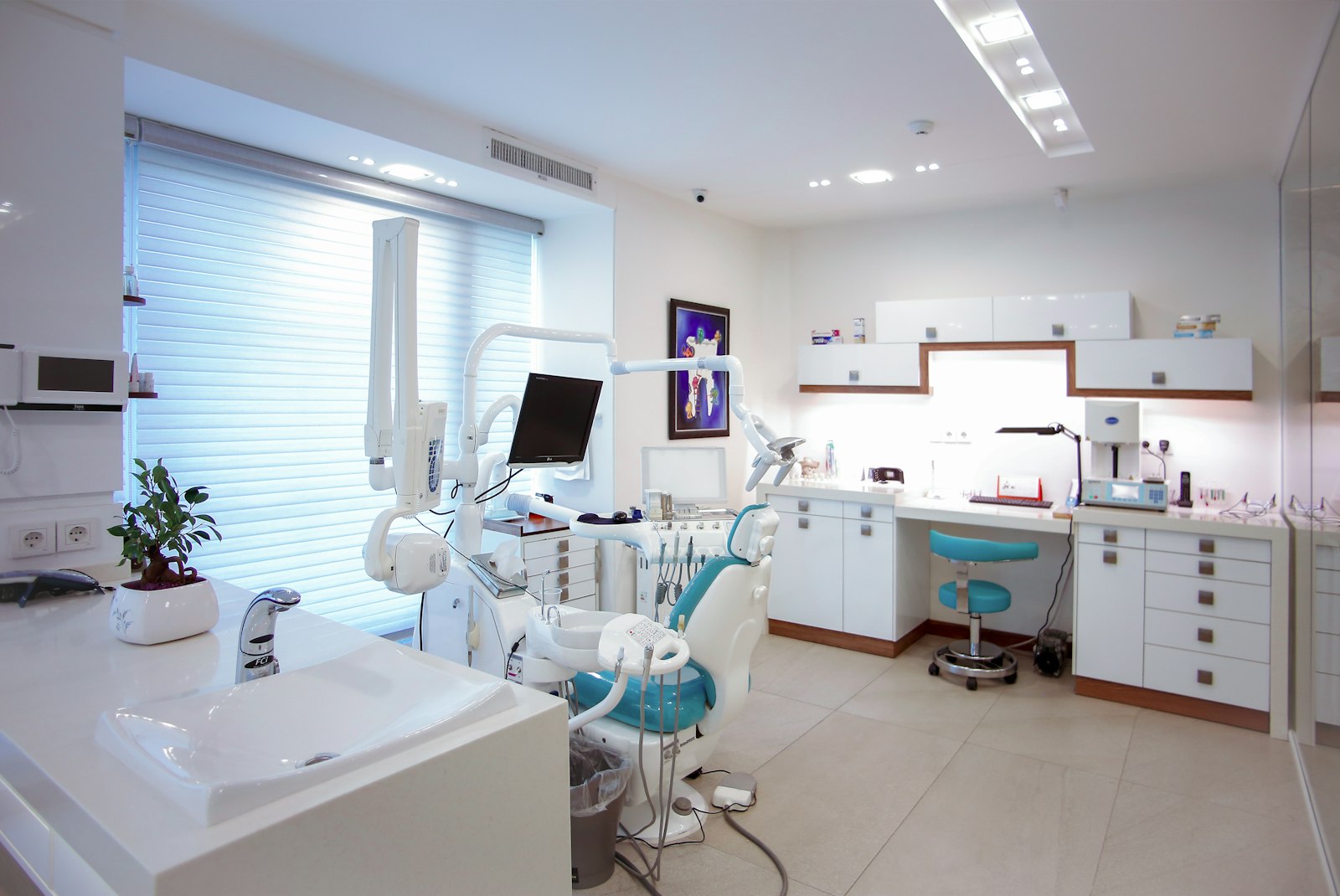
Book your puppy's first vet appointment within 48–72 hours of arrival, ideally before you collect them. The vet will do a physical health check, confirm or start the vaccination schedule, discuss deworming and parasite prevention, and answer your questions. Bring any health records the breeder provided and a list of your questions — costs, microchipping, desexing timing, and diet are all fair game.

Quick checklist: first 48 hours
- Set up a safe, confined base area before the puppy arrives
- Use the breeder's food and feeding schedule for the first week
- Toilet trip every 30–45 minutes; celebrate success calmly
- Keep the homecoming quiet — no crowds for the first 24 hours
- Crate near the bed on night one; expect crying and overnight trips
- Book a vet check within 72 hours
- Start a simple daily log: meals, toilet trips, sleep — your vet will want this
Sources & references
- AVSAB — Puppy socialization position statement
- AAHA — New puppy owner guide
- VCA Animal Hospitals — Puppy — the critical socialization period
- NParks AVS Singapore — Responsible pet ownership
PawHub content is researched from the sources above and is queued for veterinary sign-off. It is educational and not a substitute for advice from your own vet.