


Restricted and prohibited dogs in Victoria: what the Domestic Animals Act 1994 says and what it means for Melbourne dog owners
Victoria prohibits five specific breeds and requires any dog declared 'dangerous' to be desexed within 28 days of the declaration. Here is the full legal picture, including what to do if your dog is declared in Melbourne.
The Domestic Animals Act 1994 (Vic) creates a framework for managing dogs that pose a risk to public safety. The framework has two primary mechanisms: prohibited breeds — five specific breeds that cannot be kept in Victoria except for grandfathered animals registered before the prohibition took effect — and "dangerous dogs" — a declaration that attaches to individual dogs (regardless of breed) following an attack or assessed risk. Understanding both mechanisms, and the legal consequences that attach to each, is important for every Melbourne dog owner, whether or not they believe their own dog is at risk of any such classification.
Melbourne's councils are active in enforcing domestic animal legislation. The City of Melbourne, Yarra City Council, Port Phillip City Council, and other metropolitan councils all employ animal management officers with powers to investigate complaints, issue notices, and recommend dangerous dog declarations. The more familiar you are with the law before a problem arises, the better your position to respond if one does.
Prohibited dog breeds in Victoria: the five breeds
Section 41A of the Domestic Animals Act 1994 and Schedule 2 of the Act list the five prohibited breeds in Victoria. These are the same five breeds prohibited in NSW and throughout Australia under the federal Environment Protection and Biodiversity Conservation Act 1999, which prohibits their importation. The five prohibited breeds are: the American Pit Bull Terrier; the Japanese Tosa; the Dogo Argentino; the Fila Brasileiro (Brazilian Mastiff); and the Perro de Presa Canario (Canary Mastiff). Breeding a dog wholly or substantially of one of these types is an offence under the Act.
- American Pit Bull Terrier: the most commonly identified prohibited breed in Victorian enforcement; the Act applies to dogs "of the type" rather than requiring pedigree certification; the "of the type" language is contested and has been the subject of legal challenge.
- Japanese Tosa: a large Japanese dog-fighting breed; extremely rare in Victoria.
- Dogo Argentino: Argentine hunting and guardian dog; rare in Victoria.
- Fila Brasileiro (Brazilian Mastiff): large Brazilian working breed; rare in Victoria.
- Perro de Presa Canario (Canary Mastiff): Canary Islands livestock and guardian breed; small documented presence in Australia.
What "prohibited breed" means in practice in Victoria
A dog identified as a prohibited breed by a council animal management officer becomes subject to the dangerous dog provisions of the Act. The owner must comply with all dangerous dog conditions — desexing, muzzle and lead in public, enclosed yard requirements, warning signage — and the dog is subject to confiscation if the conditions are not met. Breeding a prohibited-breed dog in Victoria is an offence under section 41A, carrying substantial penalties.
Dangerous dog declarations in Victoria: how the process works
Separate from the prohibited breed list, the Domestic Animals Act 1994 provides for dangerous dog declarations for individual dogs of any breed. Under Division 5 of the Act, a council may declare a dog to be a 'dangerous dog' if it has attacked a person or animal without provocation, or if the council has reasonable grounds to believe the dog is dangerous based on its behaviour or the owner's conduct. A council may also declare a dog 'menacing' following a less serious incident.
The declaration process under the Domestic Animals Act 1994 (Vic) requires the council to give the owner written notice of the proposed declaration and an opportunity to make submissions. The owner has a right to a review of the decision at VCAT (Victorian Civil and Administrative Tribunal). The declaration, if made, attaches to the dog and follows it across ownership changes and council transfers.
Conditions on declared dangerous dogs in Victoria: what owners must do
- Desexing within 28 days: a key difference from NSW — Victoria's Domestic Animals Act requires that a declared dangerous dog be desexed within 28 days of the declaration. This is a tight timeframe and must be complied with promptly.
- Microchipping: mandatory if not already done; details must be on the Victorian Pet Registry.
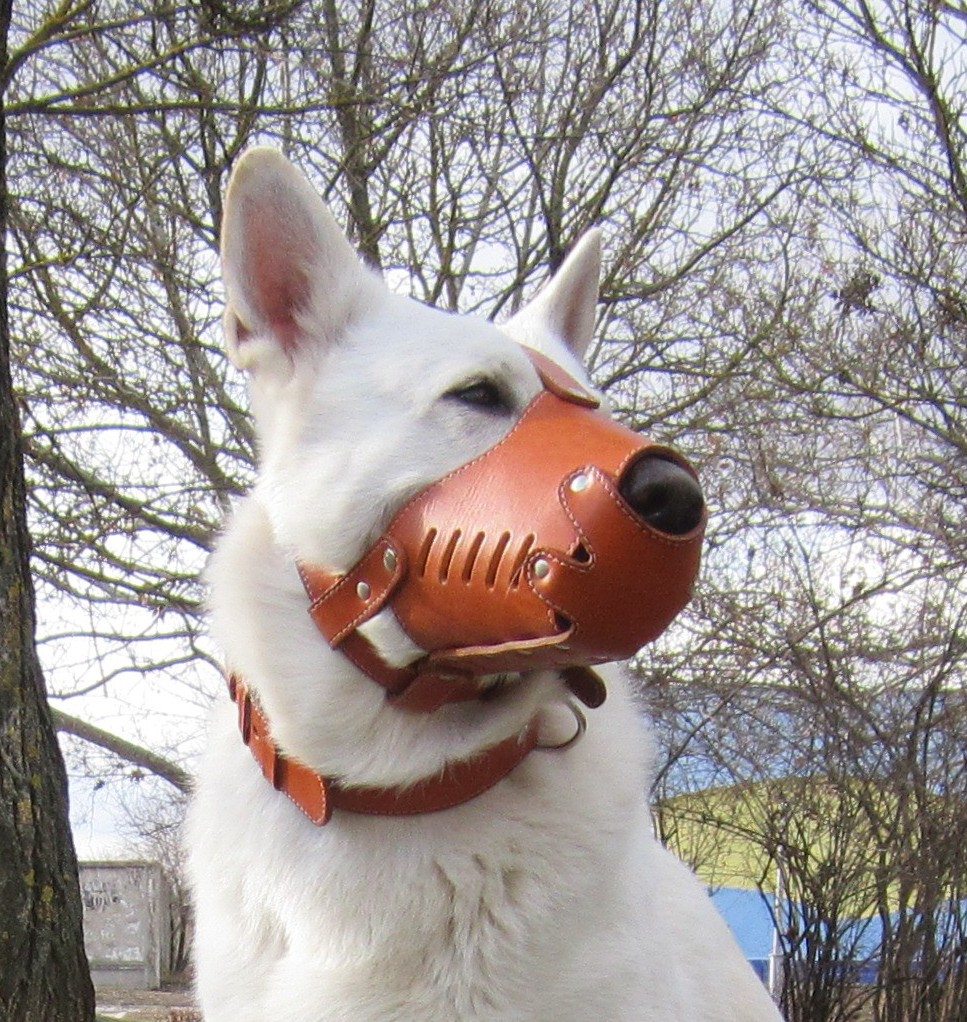
- Muzzle in public: the dog must be muzzled at all times when not on the owner's property; this applies even in enclosed off-leash parks.
- Lead: the dog must be on a lead of no more than 1.8 metres when in a public place.
- Secure enclosure: the dog must be kept in a purpose-built enclosure meeting specifications in the Act — including height, construction, and locking mechanism standards.
- Warning signs: prescribed warning signs must be displayed at the property entrance.
- Notification obligations: the owner must notify the council within 24 hours if the dog escapes, injures a person or animal, or dies; must notify within 7 days of any change of address.
Melbourne council enforcement: what to expect
Melbourne's metropolitan councils have varying levels of enforcement activity and different processes for handling dog complaints. The City of Melbourne, Yarra, and Port Phillip councils, serving dense inner-city areas with high dog populations and proximity to parks, tend to have active animal management officer programs. A complaint about a dog attack or aggressive behaviour in Princes Park, Fitzroy Gardens, or the Tan typically results in a prompt investigation. If your dog has been involved in an incident in a Melbourne public space and you have been contacted by a council animal management officer, treat this seriously — the investigation can lead to a dangerous dog declaration if not managed carefully.
How to respond if your dog is declared dangerous in Victoria
If your Melbourne council serves you with a proposed dangerous dog declaration, you have rights under the Domestic Animals Act 1994 and you should exercise them immediately. The council must give you written notice and an opportunity to make submissions before the declaration is made. Do not ignore this notice. Gather all evidence of your dog's training, behaviour history, and management practices, and present it in writing within the timeframe specified.
- Respond in writing within the timeframe in the council's notice — set out all evidence that the declaration is not warranted.
- Obtain a behavioural assessment from a qualified veterinary behaviourist (MANZCVS Behaviour chapter or equivalent) — professional assessment carries more weight than an owner's account.
- Gather training records, obedience certificates, vet records, and witness statements from the incident if available.
- Consult a solicitor experienced in domestic animal law, particularly if the incident also gives rise to potential civil liability.
- If the declaration is made, apply for a VCAT review promptly — there are strict time limits; obtain legal advice on current timeframes immediately.
- While the review is underway, comply with all declared dangerous dog conditions to avoid separate enforcement action — non-compliance while a declaration is under review can prejudice a VCAT application.
Sources & references
- Domestic Animals Act 1994 (Vic) — Victorian Legislation
- Agriculture Victoria — Dangerous, menacing and nuisance dogs
- Victorian Civil and Administrative Tribunal (VCAT)
- Victorian State-wide Pet Registry — Search
- RSPCA Australia — Breed-specific legislation (policy position)
- Victorian Government — Environment Protection and Biodiversity Conservation Act (prohibited breeds)
OurPetCircle content is researched from the sources above and is queued for expert sign-off. It is general guidance and not a substitute for advice from your own vet, a qualified trainer or relevant official authorities.