


Snake Bite in Dogs: First Aid, Antivenom & Costs in Australia
A dog bitten by a brown or tiger snake can collapse, seem to recover, then crash hours later. Here is what to do in the first minutes, what antivenom treatment involves, and what it costs in Australia.
Snake bite is one of the most time-critical emergencies in Australian veterinary practice, and one of the most dangerous features of envenomation is how deceptively okay a dog can look in the first hour or two. Understanding the species involved, recognising the real pattern of symptoms — including the false-reassurance phase — and knowing exactly what to do (and what not to do) in the first minutes after a bite can be the difference between life and death.
The snakes that matter: species and distribution
Australia is home to some of the world's most venomous snakes, and a handful of species account for the overwhelming majority of dog envenomations seen at Australian emergency vet clinics.
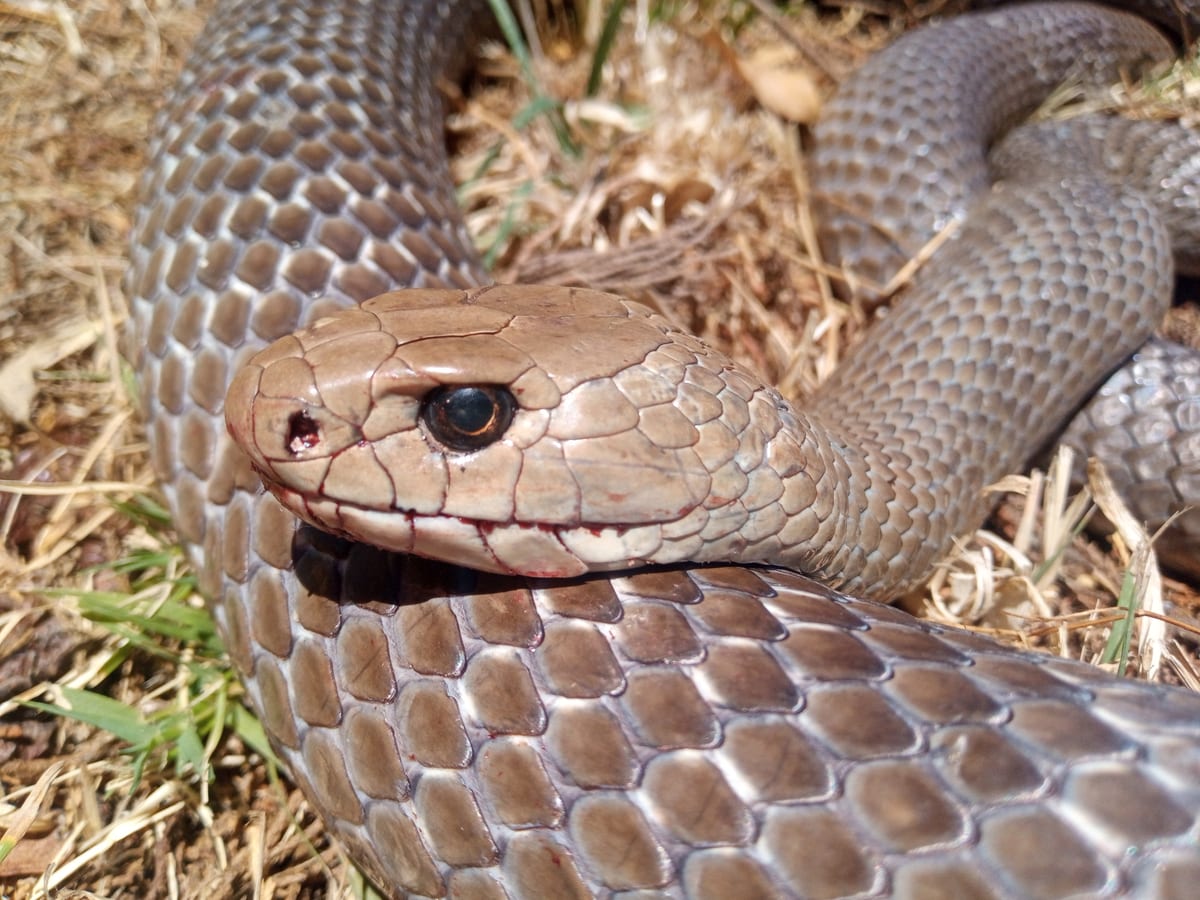
- Eastern brown snake (Pseudonaja textilis) — the species responsible for most fatal dog envenomations in Australia. Found across eastern and central Australia including NSW, Victoria, Queensland and SA; highly adapted to farmland, grassland and urban fringe areas, making it the snake most dogs actually encounter.
- Tiger snake (Notechis scutatus and related species) — common across southeastern Australia including Victoria, Tasmania and coastal NSW, especially around wetlands, dams and waterways. A frequent cause of severe envenomation in dogs in Victoria.
- Red-bellied black snake (Pseudechis porphyriacus) — found along the east coast from Queensland through NSW into Victoria and South Australia, typically near water. Bites are generally less rapidly fatal than brown or tiger snake bites but still require urgent treatment.
- Death adder (Acanthophis spp.) — found across most Australian mainland states in varied habitat; an ambush predator whose bite delivers a potent neurotoxin. Less commonly encountered by dogs than the species above but medically serious.
Snake activity in Australia is strongly seasonal: snakes emerge from winter brumation as the weather warms, making spring through autumn — roughly September to March — the highest-risk period. Warm, still mornings and evenings, when snakes bask or move between shelter and hunting grounds, are peak-encounter times for dogs off-leash in bushland, long grass, near woodpiles, or around rural and semi-rural properties.
Symptoms: the deadly false-reassurance phase
One of the most important things for owners to understand is that snake envenomation frequently does not look dramatic at first. A dog may yelp, show brief weakness or even collapse for a few minutes immediately after a bite — and then get up and appear to walk normally, sometimes for hours. This apparent recovery is not a sign the dog is fine. It reflects the time the venom takes to act systemically, and it is one of the main reasons owners delay seeking care, sometimes fatally.
- Sudden collapse or weakness immediately after the bite, often lasting only a few minutes, followed by apparent recovery — the classic and dangerous "false reassurance" pattern.
- Dilated pupils that do not respond normally to light.
- Progressive weakness or wobbliness, particularly in the hind legs, that may return hours after the initial collapse.
- Vomiting.
- Muscle tremors or twitching.
- Dark or reddish-brown urine — a sign of muscle breakdown or red blood cell damage from the venom, and a serious warning sign.
- Excessive drooling.
- Bleeding from the gums, nose or a wound, or blood in vomit or stool — a sign of the coagulopathy some Australian elapid venoms cause.
- Paralysis progressing to inability to stand, and eventually collapse and respiratory failure if untreated.
First aid: what to do (and what never to do)
Correct first aid in the first minutes after a suspected bite genuinely changes outcomes. The guidance below reflects current Australian veterinary emergency advice.
- Keep your dog as still and calm as possible. Movement and exertion speed the spread of venom through the lymphatic system. Carry your dog to the car rather than letting them walk, even if they seem able to.
- Call the nearest emergency vet before you arrive. This lets staff prepare antivenom and stabilisation equipment, which can save critical time.
- Do not wash the bite site. Venom residue on the skin can be tested with a snake venom detection kit at the clinic, which helps identify the species and select the correct antivenom. Washing removes this evidence.
- Do not apply a tourniquet. Tourniquets are no longer recommended for snake bite first aid in dogs and can worsen tissue damage without reliably stopping venom spread.
- Do not attempt to suck out venom, cut the wound, or apply ice — none of these are effective and can cause additional harm or delay proper treatment.
- Do not try to identify or catch the snake. A photo from a safe distance can help, but risking a second bite is never worth it — the vet can identify venom type from a venom detection kit test on the bite site or on blood/urine.
- If possible, note the time of the suspected bite and any symptoms you observed and when — this timeline is valuable clinical information for the treating vet.
Treatment: antivenom and supportive care
At the clinic, vets typically use a snake venom detection kit (SVDK) — testing a swab from the bite site, or a urine sample — to identify which venom type is present, since this determines which antivenom (or antivenoms) to use. Treatment is entirely vet-directed: antivenom dose depends on the amount of venom present in the dog's system, not on the dog's body weight, which is a common misconception — a small dog and a large dog bitten by the same snake may need a similar antivenom dose, because the venom neutralises based on venom load, not the patient's size.
Supportive care alongside antivenom typically includes intravenous fluids, oxygen support if breathing is compromised, monitoring of blood clotting function, and management of pain and any muscle damage. Dogs with significant envenomation usually require 24 to 72 hours of hospitalisation, with the most severe cases needing longer intensive care, blood/plasma transfusion, or ventilator support. As with tick antiserum, timing matters enormously: dogs treated with antivenom early in the course of envenomation generally have a much better prognosis than those treated after severe symptoms (such as respiratory paralysis or major coagulopathy) have developed.
What snake bite treatment costs in Australia
Antivenom is one of the most expensive line items in Australian emergency veterinary medicine, largely because of how it is manufactured and priced, and because more than one vial is often needed for a significant envenomation. The figures below are indicative bands from published Australian emergency-vet and insurance-industry sources — always confirm current pricing directly with the treating clinic, and note that cost varies significantly by venom type, number of vials required, and length of hospitalisation.
The single biggest cost driver is how many antivenom vials are needed, which is determined by venom load and species — not the dog's size. Multi-vial cases for severe brown or tiger snake envenomation can push total bills well past A$5,000.
Prevention: reducing the risk around home and on walks
No approach eliminates snake bite risk entirely in snake-endemic parts of Australia, but sensible yard and walking-habit changes meaningfully reduce the odds of an encounter.
- Keep grass mowed short and remove woodpiles, sheet metal, and general yard clutter that give snakes shelter and hunting cover close to the house.
- Secure compost areas, chicken coops and rodent-attracting food sources — rodents draw snakes, and snakes follow their prey.
- Walk dogs on-leash on defined paths in bushland, especially during peak activity times (warm mornings and evenings, September to March) and avoid letting dogs push through long grass or explore woodpiles and rock piles off-track.
- Be extra vigilant near water — dams, creeks and wetlands are prime tiger snake and red-bellied black snake habitat.
- Snake-avoidance training is offered by some Australian trainers and can reduce (not eliminate) the chance a dog investigates a snake; it is not a substitute for supervision and leash control, and its real-world effectiveness varies by dog and training method — discuss realistic expectations with a qualified trainer before relying on it.
- Know your nearest 24-hour emergency vet before you need it — save the number and address in your phone now, particularly if you live or regularly walk in a rural or bushland area.
Common questions about snake bite in dogs
What are the first signs of a snake bite in a dog?
Often the first sign is sudden weakness or brief collapse right after the bite, which can be followed by an apparent recovery — this is a dangerous false-reassurance phase, not proof the dog is unharmed. Other early signs include dilated pupils, vomiting, drooling, muscle tremors, and dark or reddish urine. Any of these after a possible snake encounter warrants an immediate emergency vet visit.
What should I do if my dog is bitten by a snake?
Keep your dog as still as possible (carry them rather than let them walk), do not wash the bite site, do not apply a tourniquet, and call the nearest emergency vet immediately so they can prepare for your arrival. Go straight there — do not wait to see if symptoms appear.
How much does snake bite treatment cost for a dog in Australia?
Costs vary with venom type and how many antivenom vials are needed, but total bills commonly run from roughly A$2,000 up to A$8,000 or more for severe, multi-vial cases requiring intensive care. Antivenom itself is typically A$600–1,200 or more per vial, and more than one vial is often required. Confirm current pricing with the treating clinic; pet insurance can help offset the cost.
Can a dog survive a snake bite without antivenom?
Some dogs survive mild envenomations without antivenom, but this cannot be predicted in advance and depends on venom type, dose and the individual dog. Because Australian elapid venoms (from species like the eastern brown and tiger snake) can cause fatal paralysis or uncontrolled bleeding, veterinary assessment and, where indicated, antivenom treatment give a dog the best chance of survival. Do not delay treatment hoping symptoms will pass.
Should I wash a snake bite wound on my dog?
No. Do not wash the bite site. Vets use a swab from the wound with a snake venom detection kit to identify the venom type, which determines the correct antivenom — washing the site can remove the evidence needed for this test.
Sources & references
- Animal Emergency Service — Snake bite in dogs and cats: symptoms, first aid and treatment
- Lort Smith Animal Hospital — Snake bite advice for pet owners
- MustCare / MyPetsVet — Snake bites in dogs and cats: what to do
- VSOS (Veterinary Specialist Services) — Snake envenomation in dogs and cats
- Animal Emergency Service — A guide to snake bites on dogs
- Pseudonaja textilis (Eastern brown snake) — Australian Museum
- Notechis scutatus (Tiger snake) — Australian Museum
OurPetCircle content is researched from the sources above and is queued for veterinary sign-off. It is educational and not a substitute for advice from your own vet.