Rat lungworm in Melbourne dogs: what owners need to know about neuroangiostrongyliasis
Cases of neuroangiostrongyliasis — brain and spinal cord disease caused by the rat lungworm Angiostrongylus cantonensis — are rising in eastern Australia. Melbourne dogs are in the at-risk zone. A dog that picks up a slug or snail can develop severe neurological signs within days.
A parasite called Angiostrongylus cantonensis — the rat lungworm — is causing an increasing number of severe neurological cases in dogs across eastern Australia. In a peer-reviewed study published in the journal Parasitology, researchers documented 92 cases of canine neuroangiostrongyliasis in eastern Australia from 2010 to 2020, with Sydney emerging as the dominant location. Melbourne and the broader Victorian coastal belt fall within the disease's expanding geographic range, and Melbourne dog owners should be aware of the risk — particularly for young dogs and puppies in gardens with slug and snail populations.
Unlike the paralysis tick, which most eastern Australian dog owners have at least heard of, rat lungworm disease is not yet part of the standard conversation between vets and Melbourne pet owners. That gap is narrowing as cases rise — but for now, many owners do not know the risk exists, let alone what signs to watch for.
What is Angiostrongylus cantonensis?
Angiostrongylus cantonensis is a parasitic nematode (roundworm) whose primary definitive host is the rat — particularly the brown rat (Rattus norvegicus) and the black rat (Rattus rattus), both of which are common in Melbourne. In rats, adult worms live and reproduce in the pulmonary arteries. Larvae hatch, pass through the lung tissue, are swallowed and excreted in the faeces. Those larvae are then ingested by the intermediate hosts: slugs and snails.
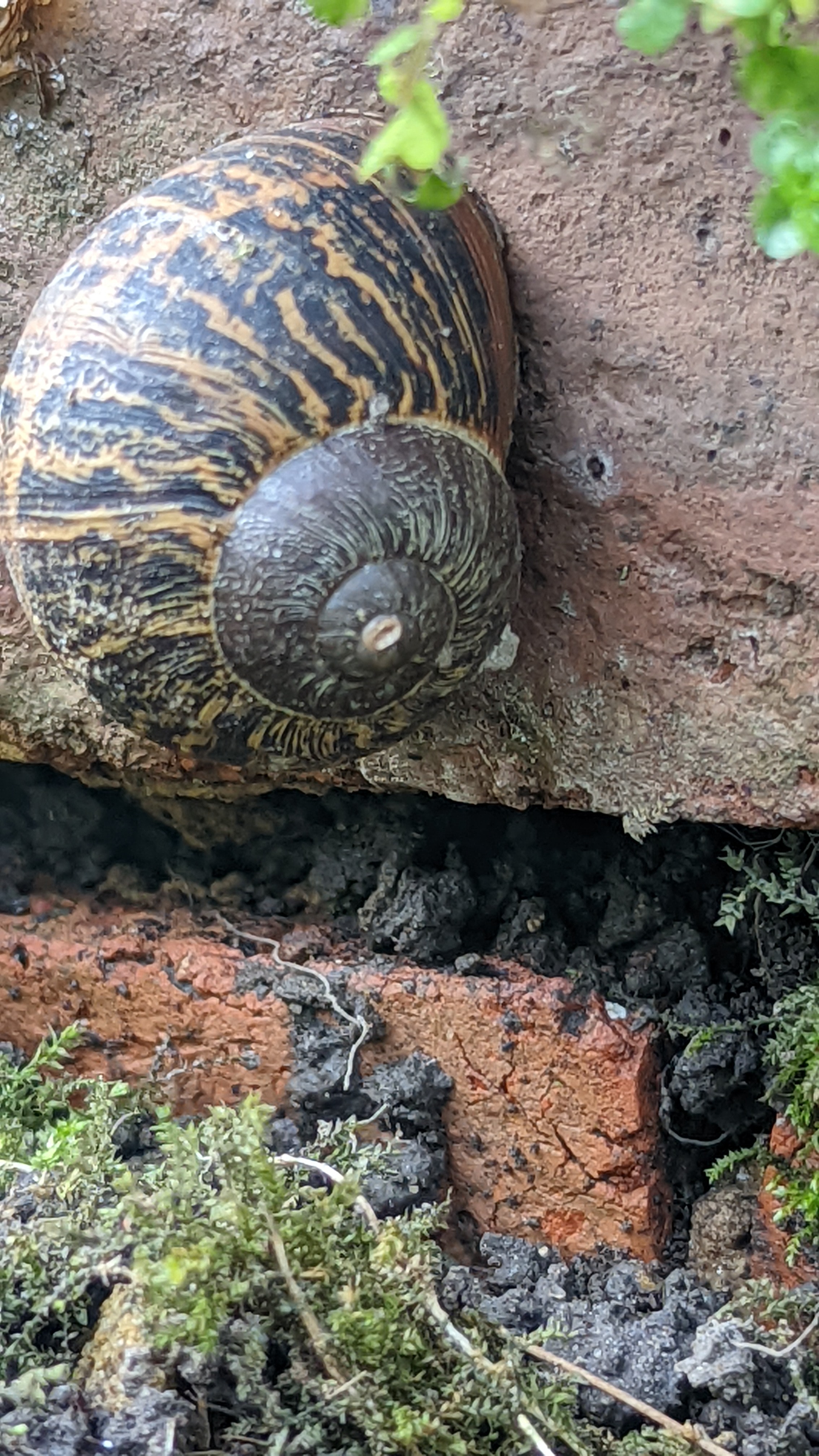
Inside a slug or snail, the larvae develop to their infective third stage (L3). A dog becomes accidentally infected by ingesting an infected slug or snail — either deliberately while foraging, or by accidentally eating a slug or snail that has attached itself to grass, a toy, a water bowl, or fresh produce left outside. In some cases, infective larvae may also be present in the slime trails of infected molluscs.
In dogs (as in people), A. cantonensis is an accidental host and things go wrong. The larvae migrate to the central nervous system — the brain and spinal cord — where they cannot complete their development and instead cause inflammation and mechanical damage to neural tissue. This is neuroangiostrongyliasis: disease caused by nematode larvae in the nervous system.
Who is most at risk in Melbourne?
The published Australian case series found that 81 per cent of affected dogs were under six months of age, with a median age of five months. Young puppies investigating their environment with their mouths are the highest-risk group. Male dogs were overrepresented at 1.7 times the rate of females. Seasonally, 86 per cent of cases occurred between March and July — Melbourne's autumn and winter months — when wet conditions support peak slug and snail activity. Melbourne's wet autumns are particularly relevant: rainfall from March to May drives slug and snail blooms in suburban gardens across the city.
Signs of neuroangiostrongyliasis
The hallmark clinical signs reflect the neurological location of the larval damage — the brain and spinal cord. The pattern reported in the Australian veterinary literature includes:
- Paraparesis and hindlimb ataxia: weakness and incoordination of the back legs. Often the earliest noticeable sign in affected dogs.
- Proprioceptive deficits: the dog may appear to be stumbling or unsure of where its feet are placed, particularly the hind feet.
- Spinal and tail-base hypersensitivity: disproportionate pain response to touch along the spine or at the base of the tail. Some affected dogs react aggressively to gentle handling because of this extreme discomfort.
- Urinary incontinence: loss of bladder control reflecting spinal cord involvement.
- Cervical pain (neck pain): in cases with significant brain involvement or increased intracranial pressure.
- Seizures: in severe cases with significant cerebral involvement.
- General malaise and lethargy.
Diagnosis and treatment
Diagnosing neuroangiostrongyliasis requires specialist involvement. No single test is fully reliable on its own. CSF (cerebrospinal fluid) analysis characteristically shows eosinophilic pleocytosis; ELISA serology and qPCR testing can support the diagnosis. MRI assists in assessing severity. The 2020 Australian study found that combining ELISA plus qPCR testing provided the best diagnostic sensitivity.
Treatment is primarily supportive. There is no antiserum equivalent to the tick antiserum. Corticosteroids (typically prednisolone) reduce the inflammatory response to larval migration and are generally considered the most important pharmacological intervention. Pain management for spinal hypersensitivity is a significant welfare priority. Antiparasitic therapy (such as fenbendazole) is debated in the veterinary literature and must be directed by the treating vet — killing larvae rapidly in the CNS may trigger an inflammatory flare. Many affected dogs require intensive nursing care over days to weeks; prognosis depends on severity at presentation.
Prevention: practical steps for Melbourne dog owners
There is no veterinary product currently registered in Australia specifically for prevention of A. cantonensis infection in dogs. Prevention relies on reducing exposure to slugs and snails and controlling rat populations.
- Supervise puppies in gardens — particularly in autumn and winter when slug and snail activity peaks in Melbourne. Do not allow young dogs to forage unsupervised in gardens with visible slug or snail populations.
- Remove garden slugs and snails from areas where dogs exercise. If using a molluscicide (snail bait), use iron-phosphate-based products rather than metaldehyde-based baits — metaldehyde is highly toxic to dogs. Even iron-phosphate products should be kept out of reach; confirm safety with your vet before applying any molluscicide in dog-accessible areas.
- Manage rat populations around your property. Reducing the rat reservoir reduces the population of infected slugs and snails. Contact a licensed pest controller for Melbourne-specific rat management advice.
- Wash outdoor water bowls and toys regularly — slugs can attach to these surfaces and deposit infective larvae. Avoid leaving food bowls or toys out overnight.
- Check fresh garden produce (silverbeet, lettuce, leafy greens) before feeding it to dogs — slugs can hide in leaves. Wash all vegetables thoroughly.
- Discuss your dog's overall parasite prevention protocol with your Melbourne vet, including whether any macrocyclic lactone products in current use have theoretical activity against larval Angiostrongylus.
Sources & references
- Lee R et al. (2020) — Further studies of neuroangiostrongyliasis in Australian dogs: 92 new cases (2010–2020) and a novel qPCR assay. Parasitology / PMC
- Barratt J et al. (2025) — Rainfall- and temperature-driven emergence of neural angiostrongyliasis in eastern Australia, 2020–2024. Journal of Infectious Diseases / PMC
- McCarthy J & Moore T (2007) — Angiostrongylus vasorum imported case, Western Australia. PubMed (PMID 17300449)
- Merck Veterinary Manual — Angiostrongylus cantonensis in small animals
PawHub content is researched from the sources above and is queued for veterinary sign-off. It is educational and not a substitute for advice from your own vet.