



Care & Health
Every guide on this page is reviewed by a named veterinarian. PawHub educates — for diagnosis and treatment, always consult your vet.
 Vet-reviewed
Bringing home a new puppy: what to do in the first 48 hours
The first two days set the tone for your puppy's entire life with you. A calm, structured start reduces stress, prevents accidents, and builds trust from day one.
 Vet-reviewed
Puppy socialisation: the critical window (3–14 weeks)
Between three and fourteen weeks of age, a puppy's brain is wired for novelty. What they meet — or miss — during this window shapes their confidence for life.
 Vet-reviewed
Puppy-proofing your home: hazards, toxic foods, and the safety checklist
Puppies explore the world mouth-first. A 30-minute safety audit before your puppy arrives can prevent an emergency vet visit — or worse.
 Vet-reviewed
House-training a puppy: a step-by-step, science-based plan
Consistent timing, calm supervision, and the right cleanup product will have most puppies reliably toilet-trained within four to six weeks. Here is the method that actually works.
 Vet-reviewed
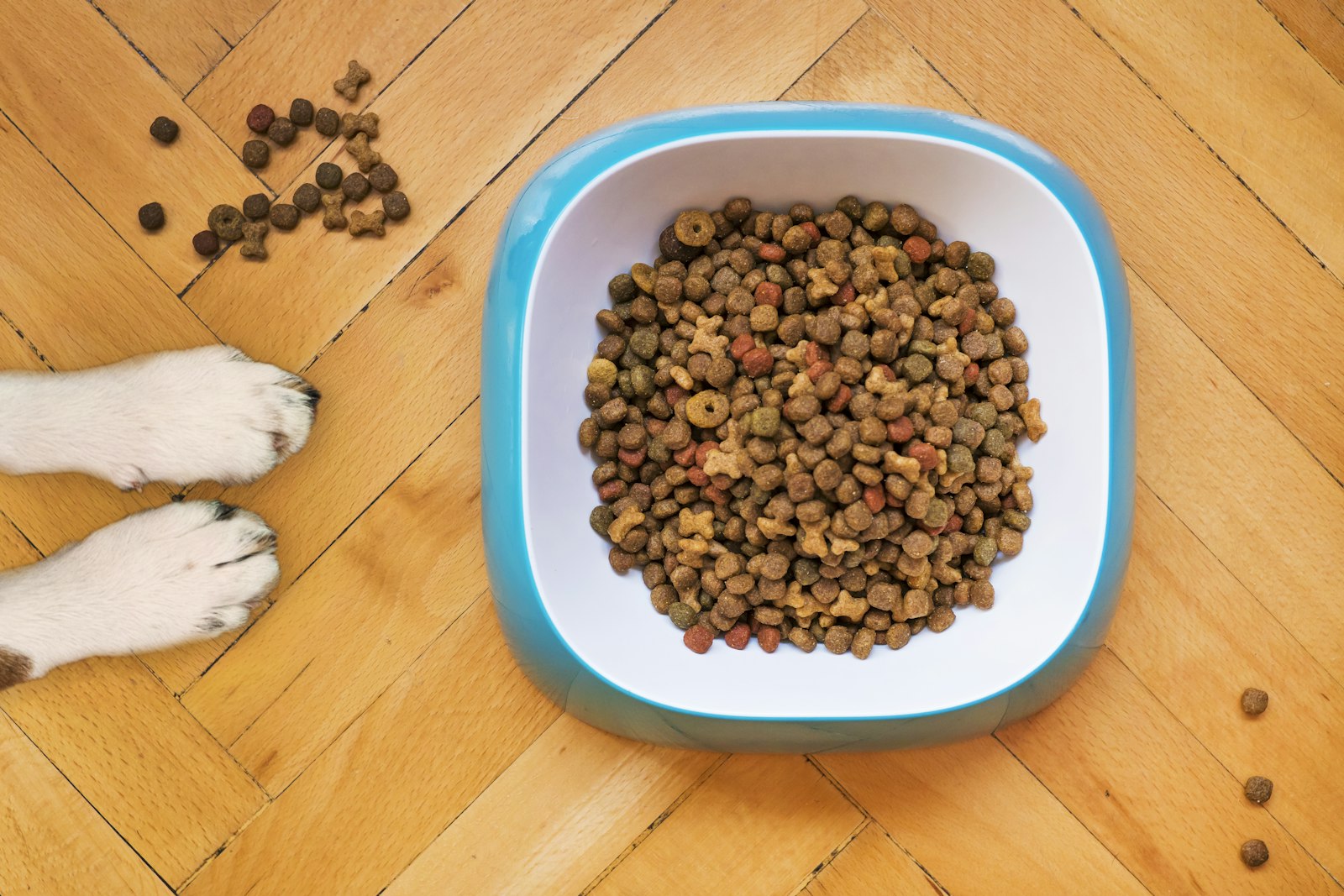
How to read a dog-food label: complete & balanced, AAFCO and WSAVA explained
The language on a pet-food bag is tightly regulated — and full of marketing words that mean nothing. Here is how to find the three lines that actually tell you whether a food is trustworthy.
 Vet-reviewed
How much should I feed my dog? Portions, calories and body condition score
Feeding guides on pet-food bags are a starting point, not a prescription. Body condition score — not the number on the bag — is the tool that tells you whether your dog is eating the right amount.
 Vet-reviewed
Feeding by life stage: what dogs need as puppies, adults and seniors
A puppy's nutritional needs are not the same as an adult's, and a senior dog's are different again. Here is what changes, and what food to look for at each stage.
 Vet-reviewed
Foods toxic to dogs: chocolate, grapes, xylitol and what to do if your dog eats them
Several common human foods can kill a dog in a single serving. Know the list, know the symptoms, and know when to call an emergency vet before you need to.
 Vet-reviewed
How often should you bathe a dog? A guide by coat type
Over-bathing strips the skin's natural oils; under-bathing allows allergens and bacteria to build up. The right frequency depends on your dog's coat type, skin condition, and lifestyle.
 Vet-reviewed
Dog dental care at home: brushing technique and preventing periodontal disease
Periodontal disease affects around 80% of dogs over three years of age. Daily tooth-brushing is the single most effective thing you can do to prevent it — and it takes less than two minutes.
 Vet-reviewed
Safe nail trimming: how to cut your dog's nails without hitting the quick
Overgrown nails change the way a dog walks and can cause chronic pain. Learning to trim safely at home — and knowing how to handle hitting the quick — makes the difference between a weekly chore and a vet visit.
 Vet-reviewed
Ear and skin care for dogs: preventing infections and hot spots
Ear infections and hot spots are among the most common reasons dogs visit the vet. Most cases are preventable with simple, consistent home care — and knowing the early signs that need veterinary attention.
 Vet-reviewed
Is my dog vomiting an emergency? A vet-reviewed guide
Most one-off vomiting in dogs is mild — but some patterns mean you should see a vet today. Here is how to tell the difference, and what to do while you decide.
 Vet-reviewed
Diarrhoea in dogs: causes, home care and when to worry
Loose stools are one of the most common canine complaints. Most cases resolve at home within a day or two — but a handful of patterns mean you need a vet today.
 Vet-reviewed
Recognising pain in dogs: the subtle signs owners miss
Dogs are stoic by nature. By the time pain is obvious, it is often well advanced. Knowing the quiet, early signals can mean earlier treatment and better outcomes.
 Vet-reviewed
Lumps and bumps on dogs: which need a vet and which can wait
Finding a new lump on your dog is alarming — but not all lumps are dangerous. Here is what veterinarians look for to decide urgency, and why a wait-and-see approach is rarely the best call.
 Vet-reviewed
Heatstroke in dogs: prevention and emergency first aid in tropical climates
Heatstroke can kill a dog in minutes. In Singapore and tropical Australia, the risk is year-round. This is what to do, and — more importantly — how to avoid it.
 Vet-reviewed
The puppy vaccination schedule, explained
Which shots your puppy needs, when, and why — plus how Singapore’s licensing and rabies-free status affect the plan.
 Vet-reviewed
Core vs non-core dog vaccines explained (WSAVA guidelines)
Not every vaccine is right for every dog. The WSAVA classification separates the ones every dog must have from the ones that depend on lifestyle and local risk — and explains why over-vaccinating carries its own risks.
 Vet-reviewed
Fleas, ticks and the diseases they carry: a guide to year-round prevention
Fleas and ticks are more than an itch. They transmit diseases, cause anaemia, and can affect human household members too. In tropical climates, there is no safe season to drop your guard.
 Vet-reviewed
The annual wellness exam: what your vet checks and why it matters
A yearly check-up is more than a vaccination update. Here is what a thorough wellness exam covers — and why "healthy-looking" dogs benefit from it just as much as sick ones.
Dog health in Calgary: Chinook winds, Bow River trails and Alberta's tick and heartworm season
Calgary occupies a unique meteorological position: a semi-arid continental city at the edge of the Rocky Mountain foothills where Chinook winds can raise temperatures by 20°C in a day, where winter wildfire smoke drifts east from BC in summer, and where the Bow River valley trail system creates tick habitat in a city most owners assume is too dry and cold for parasites. This guide addresses what Calgary's climate actually demands of preventive dog care.
 Vet-reviewed
When is a dog "senior"? Age-related changes to expect
The answer depends on breed size — a Great Dane ages far faster than a Chihuahua. Understanding when your dog enters the senior stage, and what physical and cognitive changes to expect, prepares you to give better care.
 Vet-reviewed
Arthritis and joint care in older dogs: evidence-based management
Osteoarthritis is estimated to affect one in five adult dogs — and the majority of seniors. It is not curable, but it is highly manageable. Here is what the evidence says about keeping arthritic dogs comfortable and mobile.
 Vet-reviewed
Canine cognitive dysfunction (dog dementia): signs, diagnosis and support
An estimated one in three dogs over 11 years shows signs of cognitive decline. Canine cognitive dysfunction is real, under-diagnosed and, while not curable, very manageable with the right approach.
 Vet-reviewed
Quality of life and saying goodbye: a compassionate, practical guide
Deciding when a dog has reached the end of a good life is one of the hardest moments of pet ownership. Evidence-based quality-of-life frameworks can help — and knowing what to expect makes the process a little less frightening.
Worried about your dog? Find a vet near you
Browse Calgary's vet & services directory — including 24-hour emergency clinics for when it can't wait.