



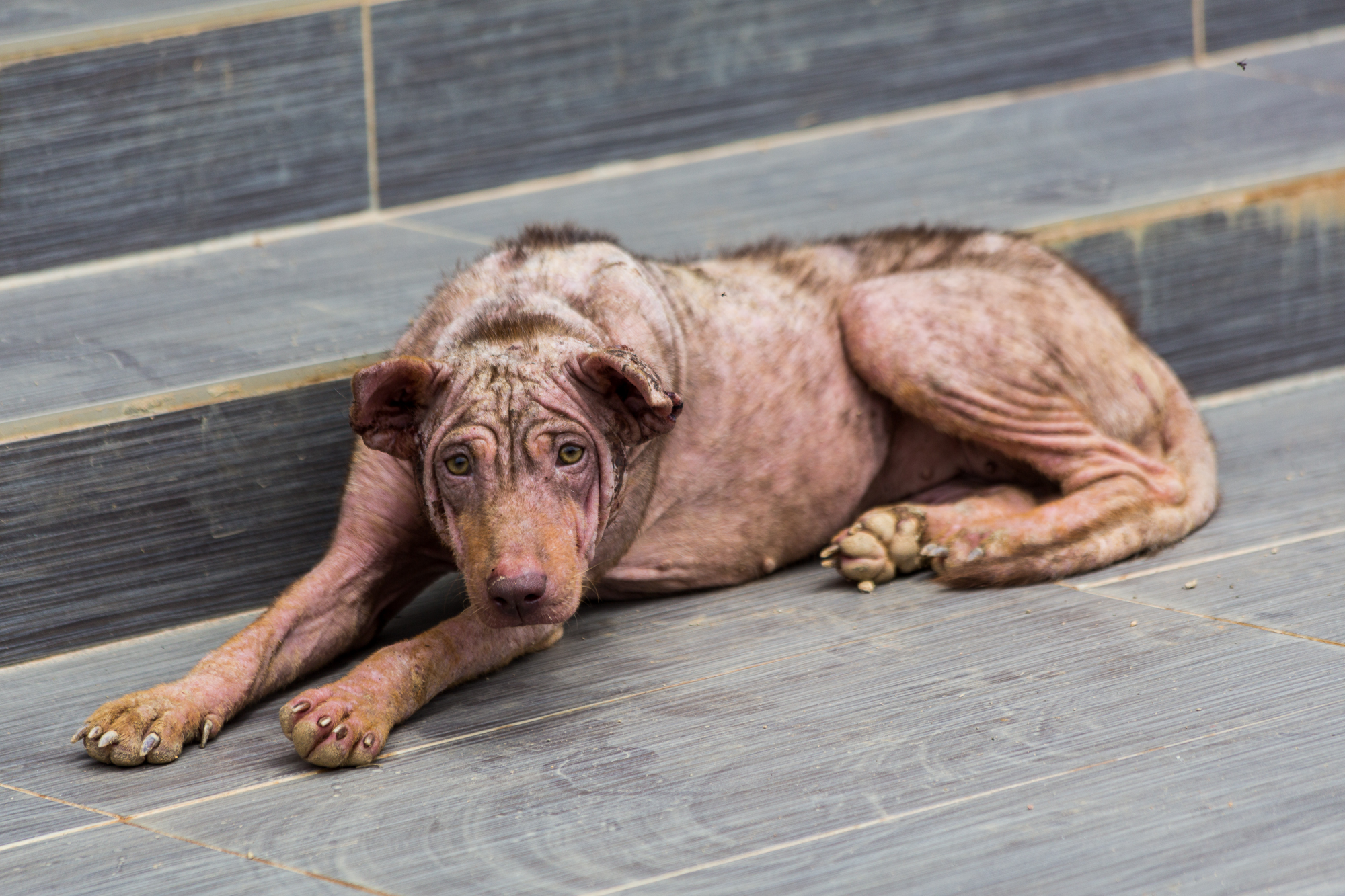
Tick Fever (Ehrlichiosis & Babesiosis) in Dogs in Malaysia: Symptoms, Treatment & RM Costs
Vets across Malaysia see it constantly: a dog that seemed fine last week is suddenly pale, bruised and exhausted. Here is what tick fever actually is, how it's diagnosed and treated, and what it really costs in RM.
Malaysian vets have a name for what is, by most clinical accounts, the most common serious illness they treat in dogs that spend any time outdoors: tick fever. It isn't one disease. "Tick fever" (sometimes called demam kutu in Malay) is the everyday shorthand for a cluster of blood-borne infections — chiefly canine ehrlichiosis and babesiosis, with anaplasmosis and hepatozoonosis as less common co-travellers — all spread by the brown dog tick, Rhipicephalus sanguineus, which thrives in Malaysia's year-round heat and humidity.
What makes tick fever dangerous in Malaysia specifically is not that the diseases themselves are exotic — they occur in tropical and subtropical regions worldwide — but that the climate here supports Rhipicephalus sanguineus activity every month of the year. There is no winter die-off, no tick season to plan around. A dog that never leaves a Petaling Jaya condo compound, walks daily in a Bangsar park, or lives on a landed property with a garden in Ipoh can all be exposed. This article sets out what the disease complex actually does to a dog, how Malaysian vets diagnose and treat it, how to prevent it, and — because cost is where owners get blindsided — what it tends to cost in RM.
What tick fever actually is: the disease complex behind the name
Ehrlichia canis, the cause of canine monocytic ehrlichiosis, is generally reported as the most frequently diagnosed tick-borne pathogen in Malaysian veterinary practice. It infects white blood cells and is transmitted when an infected brown dog tick feeds on a dog for roughly 24–48 hours or more. Babesia canis and the smaller Babesia gibsoni, the causes of canine babesiosis, infect red blood cells directly and cause them to rupture (haemolysis) — which is why babesiosis tends to present more acutely and dramatically than ehrlichiosis. Anaplasma platys (causing cyclic thrombocytopenia) and Hepatozoon canis (transmitted by ingesting an infected tick rather than by tick bite) are also documented in Malaysia and often appear as co-infections alongside Ehrlichia — a dog can be fighting more than one of these at once, which complicates both diagnosis and recovery.
The three phases of ehrlichiosis — and why the quiet phase is the dangerous one
Ehrlichiosis is usually described in veterinary literature as progressing through three clinical phases, and understanding them is the single most useful thing an owner can know about this disease. The acute phase begins one to three weeks after an infected tick bite and typically produces fever, lethargy, appetite loss, swollen lymph nodes and sometimes mild bleeding tendencies as platelet counts start to drop. Many dogs are brought to a vet during this phase and, with prompt treatment, do well.
But if the acute phase goes untreated, the disease often moves into a subclinical phase that can last months to years, during which the dog appears outwardly normal — eating, playing, showing no obvious signs — while Ehrlichia organisms persist in the spleen and bone marrow and platelet counts remain suppressed. This is the phase that catches owners off guard, because there is often nothing to notice.
Symptoms owners can actually spot
- Fever, lethargy and reduced appetite — often the first and most easily dismissed signs; a normally energetic dog seems 'off', sleeps more, and skips meals.
- Pale or white gums — lift your dog's upper lip and check gum colour against the normal salmon-pink; pale, white or yellowish gums signal anaemia and are a red-flag sign, not a wait-and-see one.
- Nosebleeds and unexplained bruising — a consequence of dropping platelet counts (thrombocytopenia); small red or purple spots on the gums or belly (petechiae) are part of the same picture.
- Weight loss and swollen lymph nodes — more common in the subclinical-to-chronic progression of ehrlichiosis.
- Joint pain, stiffness or reluctance to walk — sometimes mistaken for an orthopaedic issue.
- Dark or discoloured urine, rapid breathing, and collapse — associated more with babesiosis's rapid red-cell destruction; a dog that seemed healthy the evening before can present critically unwell within 24 hours.
How Malaysian vets diagnose tick fever
Diagnosis typically starts with a physical exam and history (has your dog had a known tick bite or exposure, even weeks ago?), followed by a complete blood count. A falling platelet count (thrombocytopenia) alongside anaemia is a strong early clue, and a blood smear examined under a microscope can sometimes directly reveal Ehrlichia morulae inside white blood cells or Babesia organisms inside red blood cells, though a smear can miss low-level infections. For a definitive diagnosis, and to identify exactly which pathogen (or combination) is involved, vets use PCR testing and/or serology (antibody) testing — increasingly available at larger Malaysian veterinary hospitals and reference labs, sometimes sent out with a multi-day turnaround. A platelet count alone is not diagnostic of a specific pathogen but is often the fastest first signal that prompts further testing.
Treatment principles — always vet-prescribed, never owner-dosed
Ehrlichiosis is treated with a multi-week course of the antibiotic doxycycline — veterinary literature and treatment guidelines generally describe course lengths in the range of roughly four weeks, though the exact duration, dose and any adjustment is a clinical decision made by the treating vet based on the dog's phase of disease and response. Babesiosis treatment uses different anti-protozoal medications specific to the Babesia species involved, again prescribed and dosed by the vet. In dogs presenting with severe anaemia — particularly in acute babesiosis or advanced chronic ehrlichiosis — a blood transfusion may be necessary to stabilise the dog while the underlying infection is treated; this requires hospitalisation, blood typing/cross-matching where available, and close monitoring, and is a decision made entirely by the treating veterinary team based on the dog's clinical status. Supportive care — IV fluids, nutritional support and monitoring bloodwork over the following weeks — is a routine part of treatment for more severely affected dogs.
Prevention: why "as needed" tick control isn't enough in Malaysia
In temperate countries, tick prevention is often seasonal — owners ease off products over winter, when ticks are largely dormant. That approach does not translate to Malaysia. Rhipicephalus sanguineus remains active in Malaysia's climate all year, and Malaysian veterinary guidance (echoing DVS Malaysia's general year-round parasite-prevention posture) is that tick control needs to run continuously, twelve months a year, for every dog — including dogs that rarely leave a high-rise unit, since ticks can be brought indoors on clothing, other pets, or during a single walk or visit to a groomer or boarding facility.
- Monthly oral or topical tick preventives (e.g. isoxazoline-class products such as afoxolaner or fluralaner, sometimes combined with a heartworm-prevention ingredient) — prescription products available through a Malaysian veterinary clinic; ask your vet which product suits your dog's lifestyle and any other medications.
- Tick collars — an additional layer some owners use alongside oral/topical products, particularly for dogs with high outdoor/garden exposure; discuss with your vet whether this is necessary on top of your existing product.
- Daily physical tick checks — run your hands through your dog's coat after walks or garden time, paying attention to ears, between toes, the groin and neck folds, where ticks often attach unnoticed.
- Environment and kennel treatment — ticks live and breed in cracks, kennel bedding, garden foliage and shaded outdoor areas, not just on the dog; treating the yard, kennel and any outdoor resting area (with a vet- or pest-control-recommended product) is part of a complete prevention plan, especially for landed properties.
- Prompt tick removal if one is found attached — using proper technique (grasping close to the skin and pulling straight out) reduces the window for pathogen transmission, though the safest removal method, especially for an inexperienced owner, is to have a vet or vet nurse do it.
What tick fever treatment actually costs in RM
Cost is genuinely one of the harder things to pin down for tick fever specifically, because it depends enormously on how early the disease is caught and whether hospitalisation or transfusion becomes necessary. The bands below triangulate three independently published 2026 Malaysian sources — treat them as directional estimates, not quotes, and always confirm current pricing with your own clinic before treatment.
“The subclinical phase is why owners are always shocked — their dog looked completely normal for months.”
Malay terms owners search for
Malaysian owners often search in a mix of English and Malay. "Demam kutu" is the common Malay term for tick fever generally; "anjing digigit kutu" means "dog bitten by a tick"; "ubat kutu anjing" refers to tick-prevention medication for dogs. If you're searching in Malay for a vet near you, "klinik veterinar berhampiran" (nearby veterinary clinic) and "hospital haiwan 24 jam" (24-hour animal hospital) are useful terms — OurPetCircle's emergency vet finder lists 24-hour clinics across Kuala Lumpur, Penang and Johor Bahru.
Frequently asked questions
Apakah demam kutu? (What is tick fever?)
Demam kutu ("tick fever") is the common Malay/English term for a cluster of tick-transmitted blood infections in dogs — chiefly canine ehrlichiosis (Ehrlichia canis) and babesiosis (Babesia canis/gibsoni), sometimes with anaplasmosis or hepatozoonosis as co-infections. All are spread by the brown dog tick (Rhipicephalus sanguineus), which is active year-round in Malaysia's climate. Symptoms include fever, lethargy, pale gums, bruising, nosebleeds and weight loss; it requires veterinary diagnosis (blood tests, PCR) and prescription treatment, and can be fatal if untreated, especially in its later chronic phase.
Berapa kos rawatan demam kutu? (How much does tick fever treatment cost?)
Based on triangulating three published 2026 Malaysian sources, a straightforward case caught early (consultation, blood tests, a several-week course of prescribed antibiotics, no hospitalisation) may run roughly RM 300–600 total. A severe case requiring multi-day hospitalisation and a blood transfusion has been reported at RM 8,000–12,000 or more. These are estimated bands from published sources, not a quote — always confirm current pricing with your treating clinic, since cost depends heavily on how early the disease is caught and whether hospitalisation becomes necessary.
Can tick fever in dogs be cured in Malaysia?
Yes, in most cases, particularly when diagnosed and treated during the acute phase. Ehrlichiosis is treated with a multi-week prescribed course of doxycycline; babesiosis is treated with anti-protozoal medication specific to the species involved. Dogs that progress untreated to the chronic phase (pancytopenia, severe anaemia) face a more guarded prognosis and typically need more intensive, longer treatment, sometimes including a blood transfusion. Always have a Malaysia-registered veterinarian diagnose and prescribe treatment — do not attempt to treat tick fever at home.
How do I know if my dog has tick fever?
Watch for fever, lethargy, reduced appetite, pale or white gums, unexplained bruising or small red/purple spots on the gums or belly, nosebleeds, weight loss, joint pain, or (in more acute babesiosis cases) dark urine and collapse. Because the disease can also have a 'quiet' subclinical phase with few or no visible signs, any dog with a known or possible tick exposure that seems even mildly unwell — a skipped meal, more sleep than usual — is worth a vet visit and blood check, not a wait-and-see approach.
Do I need to give my dog tick prevention all year in Malaysia?
Yes. Unlike temperate countries where ticks are seasonal, the brown dog tick (Rhipicephalus sanguineus) remains active year-round in Malaysia's tropical climate. Malaysian veterinary guidance is that tick (and heartworm) prevention should be continuous, twelve months a year, for every dog — including dogs that live mostly indoors, since ticks can be carried in on clothing, other pets, or during walks, grooming or boarding visits. Ask your vet which prescription product suits your dog.
Sources & references
- WSAVA — Canine Vector-Borne Diseases resources
- MDPI Veterinary Sciences — "Ehrlichiosis in Dogs: A Comprehensive Review... with Emphasis on South and East Asian Countries" (peer-reviewed)
- MSD Veterinary Manual — Ehrlichiosis in Dogs (Infectious Diseases)
- Department of Veterinary Services Malaysia (DVS) — official pet and livestock portal
- Malaysian Journal of Veterinary Research — tick-borne disease studies in Malaysia
- Lee Veterinary Clinic (Kuala Lumpur) — "Tick Fever in Dogs: What Every Dog Owner Should Know"
- Oyen — Vet Cost Malaysia 2026 (cost-band cross-check)
- Trusty Tails Vet — How Much Does a Vet Visit Cost in KL? A Vet's 2026 Price Guide (cost-band cross-check)
OurPetCircle content is researched from the sources above and is queued for veterinary sign-off. It is educational and not a substitute for advice from your own vet.